Opens the museum's own website. Book on the official site; nothing is charged on this page.
Area
Madrid
Theme
History & archaeology
An entire 18th-century Valencian kitchen stands on one of the upper floors, rebuilt tile by tile, its walls carrying painted scenes of a household at work: the cook, the pots, the fireplace, all of it in glazed ceramic. That room is how most people find the Museo Nacional de Artes Decorativas, and it is far from the only reason to climb the stairs. The museum fills a 19th-century mansion beside the Retiro, a few minutes from the Prado, with ceramics, furniture, glass, silver and textiles. Admission costs three euros, and temporary exhibitions cost nothing.
What will you see inside the Decorative Arts Museum?
The museum shows how Spanish households were furnished and decorated, floor by floor. Expect ceramics from Talavera and Alcora, carved furniture, glass, silver, fans and textiles, alongside rooms reassembled from real houses. The tiled Valencian kitchen on an upper floor is the single piece most visitors come for.
Start with that kitchen, because everything else makes more sense after it. The room came out of a house in Valencia and was rebuilt here tile for tile, and what carries it is not the ceramic work alone but the scene painted across it: servants, cooking pots, the ordinary business of feeding a household, shown on the walls of the room where all of it happened.
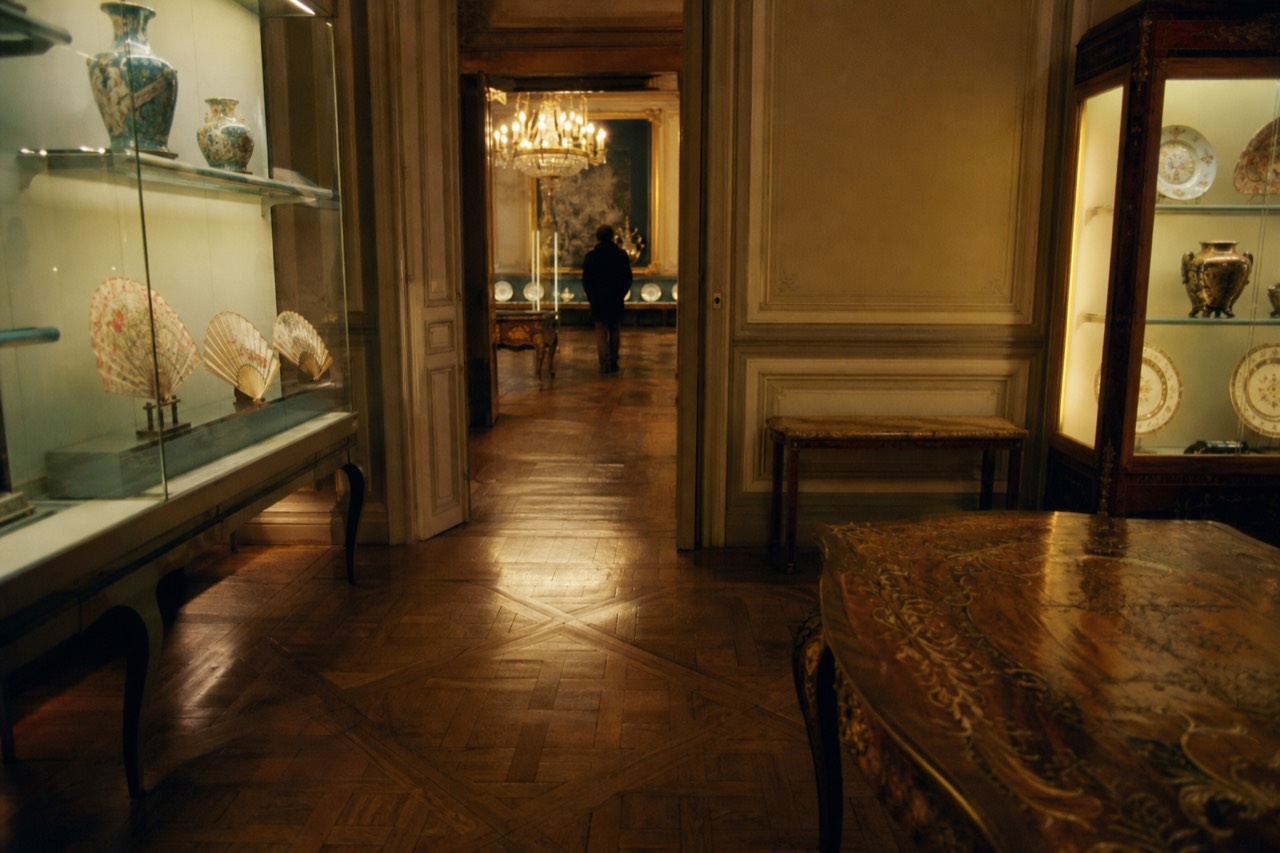
The rest of the museum works the same way, at a lower volume. Instead of paintings hung in a row, there are interiors: panelled rooms, dressed beds, tables laid as they would have been, furniture that belonged to people rather than to a movement. Decorative arts is a dry name for what is really a museum of daily life among those who could afford a good one.
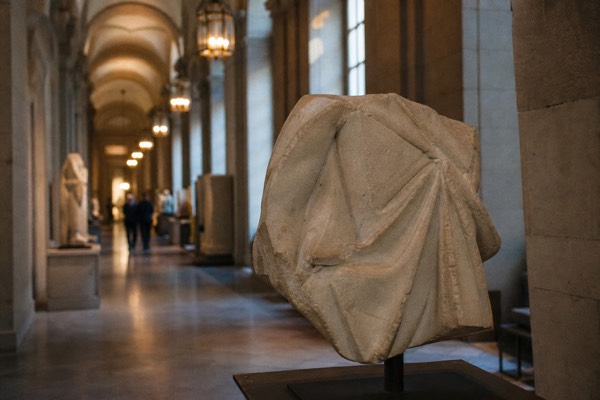
The collections underneath all that are deep. Spanish ceramics run from Talavera jars to Alcora porcelain; there is glass, silverwork, ironwork, fans, lace and embroidery; and a run of objects that arrived through Spain's trade with Asia, Chinese porcelain and lacquer among them. Individually they are quiet things. Together they read as a record of taste changing over four hundred years.
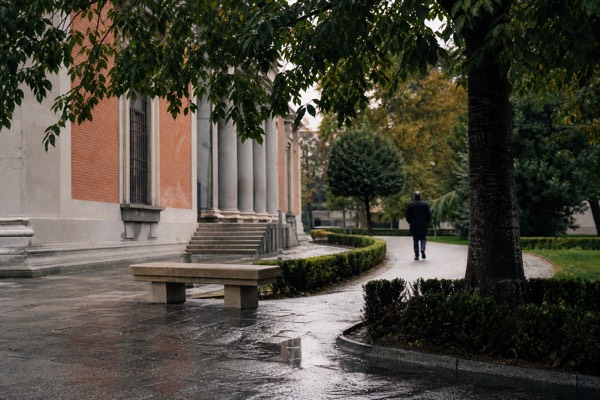
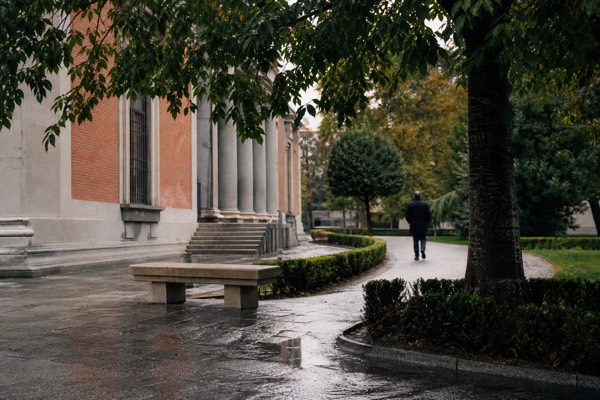
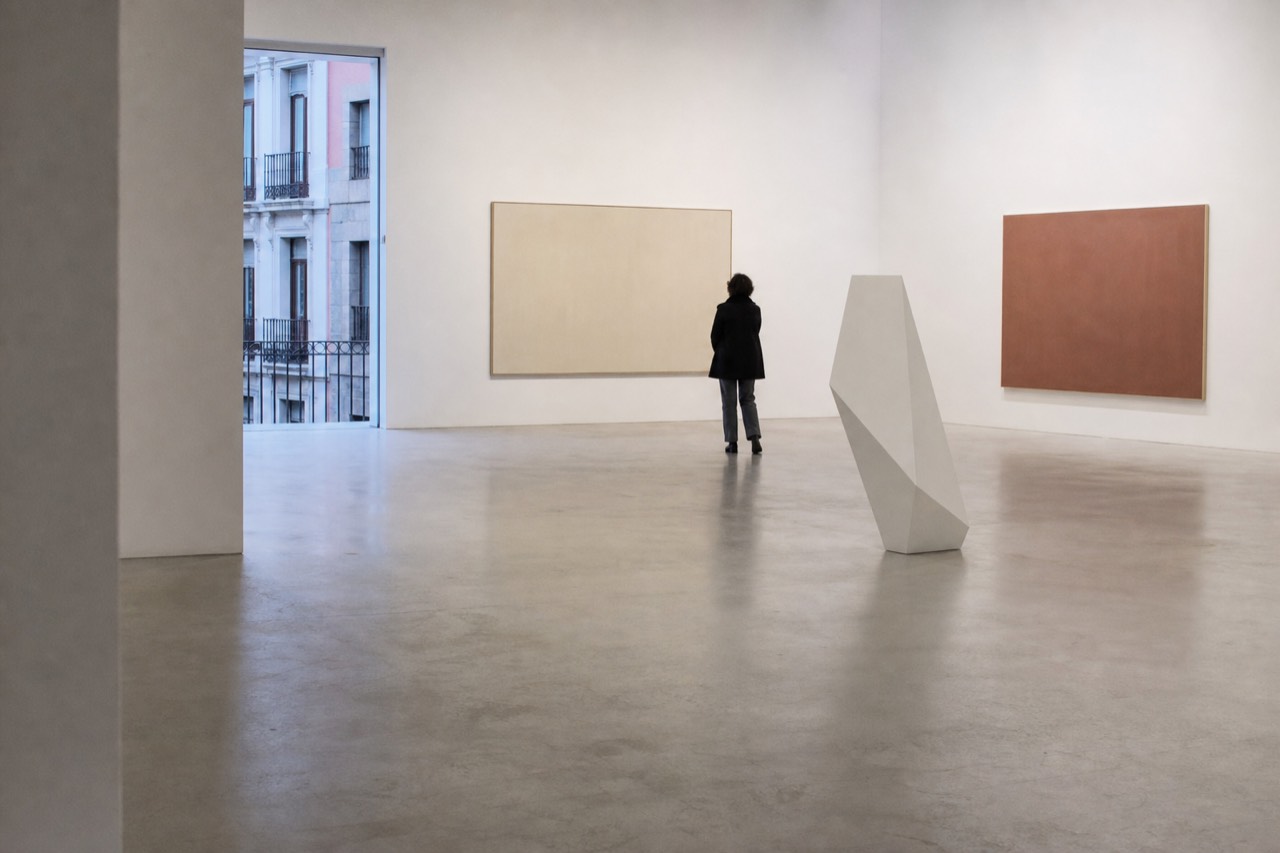
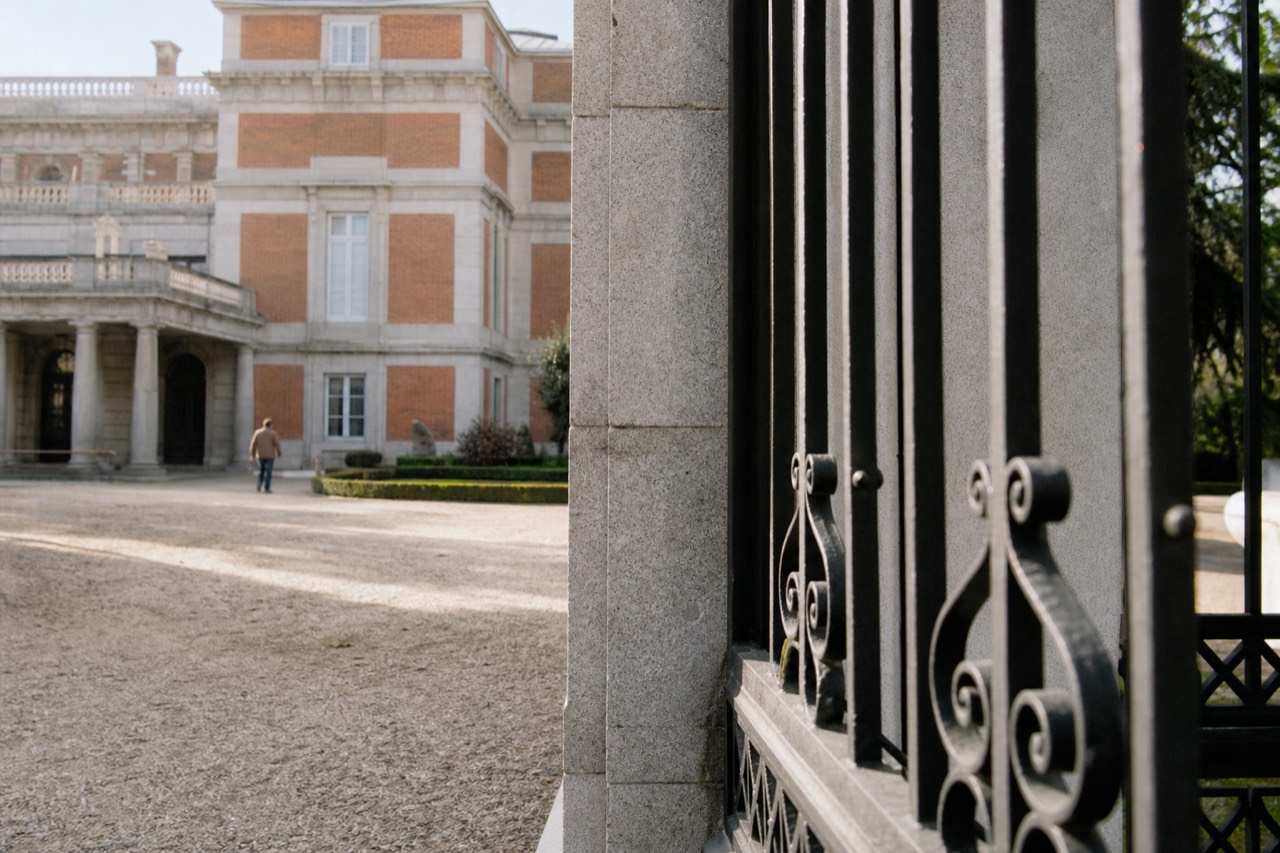
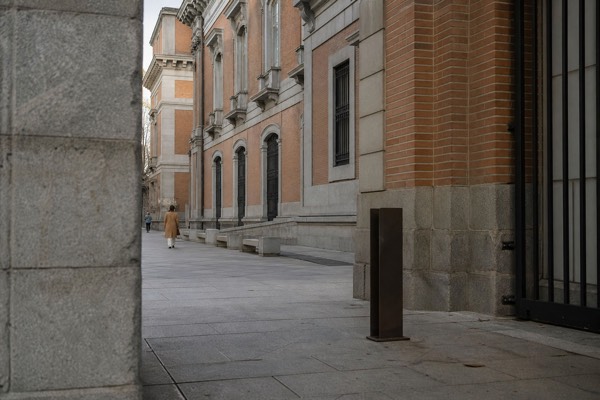
The building deserves a look of its own. It is a 19th-century mansion, converted rather than purpose-built, so you move up through it by staircase and the rooms keep the proportions of a home. Temporary exhibitions rotate through the lower floors, usually turned towards design, craft or the museum's own store, and those are free to anyone who walks in.
How do tickets work, and when is entry free?
General admission is €3 and reduced admission €1.50, both covering the permanent collection. Temporary exhibitions are free to everyone at all times, with no ticket needed. There are free hours on Sundays as well, published alongside the opening times on the museum's official page. Tickets are sold by the museum itself.
The free temporary exhibitions are the part worth pressing on, because few museums anywhere do this. Whatever show is up, you can walk in, look at it, and leave without paying. If the permanent floors are what you came for, three euros buys them, which is roughly what a coffee costs two streets away.
Sunday brings a free window for the permanent collection too. The exact hours are set by the museum and shift with the season, so they are worth confirming rather than assuming: the current times sit on the museum's official page, which is also where tickets are sold. Reduced admission applies to set categories listed there.
Ticket
Price
Notes
General admission
€3
Covers the permanent collection
Reduced admission
€1.50
Set categories, conditions on the official site
Temporary exhibitions
Free
Always, for everyone, no ticket needed
Sunday free hours
Free
Set hours, published and seasonal
Where to buy
Official site or the desk
Sold by the museum itself
Madrid has four museums built around period interiors, and they price very differently.
Museum
Adult
Free windows
The draw
Museo Nacional de Artes Decorativas
€3, reduced €1.50
Sunday hours; temporary exhibitions always free
Period rooms and the tiled Valencian kitchen
Museo Cerralbo
€3
Thursdays 17:00 to 20:00, Sundays
A marquis's mansion left as he arranged it, ballroom included
Museo del Romanticismo
€3
Saturday afternoons, Sundays
Romantic-era interiors and a garden café
Museo Lázaro Galdiano
€8
Tuesday to Friday 14:00 to 15:00
A collector's palace, Goya and Bosch inside it
How long do you need, and how does a visit flow?
An hour covers the museum properly, ninety minutes if the period rooms hold you or a temporary show is on. It is a house rather than a hall, so a visit runs as a climb through floors instead of a march down galleries. Nobody comes out of here needing to sit down.
The route that works is upward first. Take the stairs to the kitchen while your attention is fresh, then work back down through the interiors and the ceramics, which reward a slower eye but ask less of it. Anything temporary is usually on the lower floors, so it lands naturally at the end.
Because it is short, this museum solves a scheduling problem. Two hours in the Prado leaves most people finished for the morning but not for the day, and an hour of tiled kitchens and laid tables afterwards is a different kind of looking rather than more of the same. It also works in reverse, as a small first stop before something larger.
Children do better here than the name suggests, mostly because of the reconstructed rooms. A bed with its curtains up and a table set for dinner reads instantly, in a way a case of porcelain does not, and the museum is small enough that nobody runs out of patience halfway up.
Know before you go: hours, closing days and getting there
The museum stands beside the Retiro, a few minutes on foot from the Prado and from Plaza de Cibeles, in a converted 19th-century mansion. Admission is €3, reduced €1.50, with free Sunday hours and free temporary exhibitions. Opening times and the weekly closing day shift seasonally and are published on the official site.
Location is this museum's quiet advantage. It sits a short walk uphill from the Paseo del Prado, on the Retiro side, which puts it inside the same walk as the city's three headline collections without any of the queueing that comes with them. Anyone already spending a day on the Art Walk passes within a few streets of the door.
Two practical points. The building is a house, so the visit means stairs and small rooms rather than long level galleries. And Madrid's state museums generally close one day a week, most often Monday, with public holidays moving the pattern, so the official calendar is worth a glance the day before rather than after you arrive.
At a glance
Detail
Where
Beside the Retiro, a few minutes' walk from the Prado and Plaza de Cibeles
Building
A 19th-century mansion, converted floor by floor
Adult admission
€3, reduced €1.50
Free entry
Sunday hours, plus temporary exhibitions at any time
Opening hours
Seasonal; published on the official site
Closing day
State museums usually close Mondays; confirm on the official calendar
Time to allow
One hour to ninety minutes
Star piece
The tiled Valencian kitchen on an upper floor
What can you pair with the Decorative Arts Museum nearby?
The Prado is the obvious neighbour, five minutes away, and this museum works well as the short interval either side of it. For more period interiors, the Museo Cerralbo and the Museo del Romanticismo do the same trick in different centuries. The Museo de América extends the day for anyone collecting the three-euro state museums.
Pair it with the Prado and the day balances itself: two hours of painting, then an hour of the objects those painters had in their own houses. The Prado runs a free window in the last two hours of every day, published on the museum's own site, which is worth planning around because it is the busiest slot there.
For interiors rather than objects, the Museo Cerralbo near Plaza de España is the strongest follow-on in the city: an aristocratic house kept as its owner arranged it, ballroom and all, for the same three euros. The Museo del Romanticismo does the 19th century instead, and its garden café is one of the better places in central Madrid to stop.
If the appeal here is the state-museum habit rather than the subject, the Museo de América up by Moncloa is the other three-euro heavyweight, with the Madrid Codex and the Quimbaya gold inside. None of these need booking ahead, which makes them easy to slot around whatever else the day holds.
Questions people ask
How much does a Decorative Arts Museum ticket cost?
General admission is €3 and reduced admission €1.50, covering the permanent collection across the museum's floors. Temporary exhibitions are free to everyone, with no ticket at all, and there are free hours on Sundays. Conditions for the reduced categories are listed on the museum's official page.
When is the Museo Nacional de Artes Decorativas free?
Temporary exhibitions are free at any time the museum is open, which is unusual and worth knowing. The permanent collection has its own free hours on Sundays, set by the museum and adjusted with the season, so the current times are published alongside the opening hours on the official site.
What is the Valencian kitchen at the Decorative Arts Museum?
It is an 18th-century kitchen taken from a house in Valencia and rebuilt inside the museum on an upper floor, tile by tile. The painted ceramic walls show a household at work, cooks and pots and fireplace included, which makes it a room about ordinary life rather than a display of ceramics.
How long do you need at the Decorative Arts Museum?
About an hour, or ninety minutes if you linger in the reconstructed rooms or a temporary exhibition is running. The museum occupies a converted mansion, so the visit climbs through floors rather than stretching down long galleries, and most people finish it without flagging.
What day is the Decorative Arts Museum closed?
Madrid's state museums generally close one day a week, most often Monday, and public holidays shift the pattern. This museum publishes its current calendar and opening hours on its official page, which is the reliable place to check a day or two before a visit.
Where is the Decorative Arts Museum in Madrid?
It sits beside the Retiro, a few minutes' walk from the Prado and from Plaza de Cibeles, in a 19th-century mansion converted into a museum. Anyone spending a day on the Art Walk passes within a few streets of it without planning to.
Is the Decorative Arts Museum worth visiting?
For three euros, and an hour, yes, especially if the big collections have started to blur. It is a museum of how people actually lived: rooms rather than canvases, objects with owners, and a tiled kitchen that nobody forgets. It also makes a good rainy hour near the Prado.
Madrid · The Lady of Elche and Spain's archaeology in one museum
Spain's national archaeology collection on Calle Serrano, home of the Lady of Elche and finds running from prehistory to the Middle Ages. Admission is 3 euros on the official site, with free Saturday-afternoon and Sunday-morning windows.
Madrid · Spanish dress and fashion across the centuries
The national costume museum by Ciudad Universitaria, tracing Spanish dress from historical court wear to modern fashion. Admission is 3 euros, with free hours on Saturday afternoons and Sundays.
Madrid · Pre-Columbian and colonial collections from the Americas
The national museum of the Americas near Moncloa, holding pre-Columbian, colonial and ethnographic collections gathered over five centuries. Admission is 3 euros, free on Thursday afternoons and Sundays.