Madrid Art Museums: Every Collection Worth a Ticket
The Paseo del Arte holds three of Europe's heaviest collections inside a ten-minute walk, and another eight sit within a couple of Metro stops. Here is what each one holds, what it costs, and when its doors open for nothing.
 By Elena García, Madrid Museums Specialist & Cultural Guide
Short answer
The Prado, the Reina Sofía and the Thyssen-Bornemisza are the three that matter most, and one pass covers all of them for €32.80. Beyond that triangle, the Lázaro Galdiano, the Galería de las Colecciones Reales and the San Fernando Academy hold serious paintings for a fraction of the price. Museo Sorolla stays shut for renovation until October 2026.
Booking choice: Explore Prado and Reina Sofía guided visit
At noon on a Monday the pavement outside the Thyssen-Bornemisza reorganises itself. The people who paid walk in through one door, and a longer, looser line forms for the free afternoon that starts at twelve. Four hours later that line is gone and the museum is quiet again. Nobody advertises this rhythm, but it runs all week across the city, museum by museum, and it decides how much art you see for how much money.
Madrid keeps its paintings in an unusually tight cluster. Three national collections stand on one boulevard, a fourth sits beside the Royal Palace, and a ring of house museums and academies holds Goya, El Greco and Velázquez in rooms most visitors never open. This guide maps all of it: what hangs where, what entry costs, which day each place shuts, and which of them is closed for renovation right now. The wider madrid museums directory carries the same figures for the non-art collections.
Which art museums in Madrid should you actually visit?
Three collections carry the city: the Prado for old masters, the Reina Sofía for the twentieth century, and the Thyssen-Bornemisza for everything in between. After those, the Galería de las Colecciones Reales and the Lázaro Galdiano hold the strongest paintings per euro. Museo Sorolla, the fourth name people expect, is closed until October 2026.
There is no honest way to rank these without saying what you want from an afternoon. Someone who has three days and wants the canon takes the boulevard museums in order. Someone on a second trip, or with a low tolerance for crowds, does better in the mansions. The table below sorts by collection weight first, then by what a ticket costs.
| Museum | What hangs there | Ticket from | On the listing | Closed |
|---|---|---|---|---|
| Prado Museum | Velázquez, Goya, El Greco, Bosch, Titian, Rubens | $21 | 4.6 across 22,840 reviews | 1 Jan, 1 May, 25 Dec |
| Reina Sofía | Picasso's Guernica, deep Dalí and Miró rooms | $14 | 4.5 across 10,073 reviews | Tuesdays |
| Thyssen-Bornemisza | Seven centuries in one line, old masters to pop art | $16 | 4.8 across 424 reviews | Open daily, short Mondays |
| Galería de las Colecciones Reales | Velázquez, Goya and Caravaggio from the royal collections | $21 | 4.7 across 223 reviews | 1 and 6 Jan, 1 May, 25 Dec |
| Lázaro Galdiano | A financier's own collection, Goya among the highlights | from about $9 | 4.5 across 78 reviews | Mondays |
| San Fernando Academy | The royal academy's gallery, with a celebrated group of Goyas | €10 official | Sold through the academy | Mondays and much of August |
| CaixaForum Madrid | Rotating exhibitions behind a living vertical garden | from about $23 | Ticketed by show | Between shows |
| Museo Sorolla | The painter's house and studio, kept as he left it | Not yet published | Renovation | Until October 2026 |
Two rows deserve a second look. The Lázaro Galdiano is the private collection of the financier José Lázaro Galdiano, still shown inside his own mansion on Calle Serrano, and it is one of the cheapest paid admissions in the city. The San Fernando Academy on Calle de Alcalá is stranger still: a working fine-arts academy whose gallery holds a group of Goyas that would anchor a national museum anywhere else, for ten euros, with a free window on early weekday afternoons.
If you plan only one museum before you fly, start with the Prado. Choose admission or a guided visit, then allow time for security and the collection rather than expecting an instant entrance.
What makes the big three different from one another?
They divide the history of art rather than repeat it. The Prado extends through the nineteenth century and is unmatched on Spanish and Flemish old masters. The Reina Sofía starts in the late nineteenth century and runs to the present, built around Guernica. The Thyssen-Bornemisza covers seven centuries in one continuous line, which is exactly the span the other two leave open.
The three sit within a ten-minute walk of one another on the Paseo del Prado, which is why people try to do all of them in a day and why so many of those days go wrong. Each one asks for a different kind of attention. The Prado rewards slow looking at a small number of rooms. The Reina Sofía rewards a route: Guernica first, then the rooms around it that explain how it happened. The Thyssen rewards a straight walk from the top floor down, chronologically, with no doubling back.
| Museum | Era covered | Signature holdings | Official adult ticket | Time to allow |
|---|---|---|---|---|
| Prado | Twelfth through nineteenth centuries | Las Meninas, the Goya rooms, Bosch's triptych | €15 | Three hours minimum |
| Reina Sofía | 1881 to the present | Guernica, Dalí, Miró, Spanish modernism | €12 | Two hours |
| Thyssen-Bornemisza | Thirteenth century to pop art | One family's line through seven centuries | €14 | Two hours |
The Reina Sofía's permanent collection now runs to almost 25,000 pieces, built up since 1894 and gathered from the state's various modern and contemporary holdings, with a strong Latin American strand alongside the Spanish core. Its floor four reopened in 2026 with a re-presentation weighted towards 1975 onwards, so a visitor who came five years ago will find genuinely new rooms rather than the same hang.
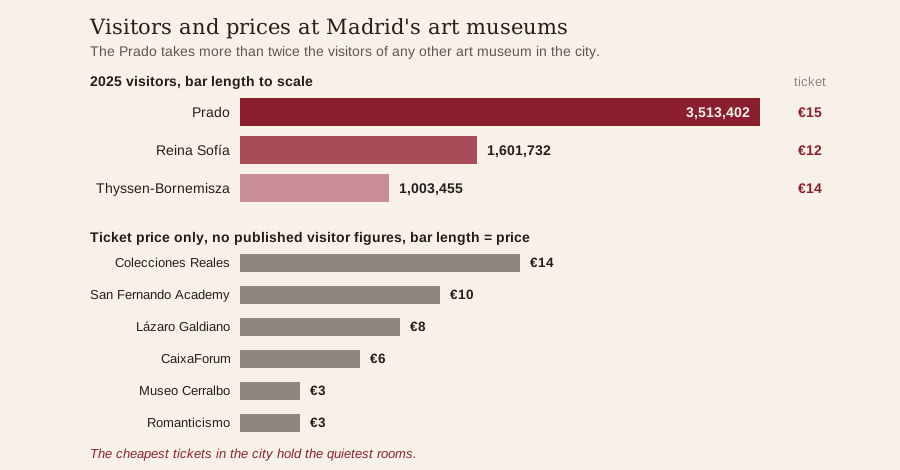
Size explains the crowd pattern too. The Prado took 3,513,402 visitors in 2025, more than twice the Reina Sofía's main site and three and a half times the Thyssen. On a summer Saturday that difference is physical. The Thyssen-Bornemisza at four in the afternoon is calm enough to sit in front of one canvas for ten minutes, which is not a sentence anyone writes about the Prado's central gallery. If you want the three treated as a single route rather than three visits, our guide to walking the Paseo del Arte in order sets out the sequence and the pass arithmetic.
Which art museums sit outside the Golden Triangle?
The second ring is where Madrid gets interesting. The Galería de las Colecciones Reales shows Velázquez, Goya and Caravaggio from the royal collections, the Lázaro Galdiano and the Cerralbo are mansions left as their owners furnished them, and the San Fernando Academy holds Goyas for ten euros. All of them are quiet on the days the boulevard is not.
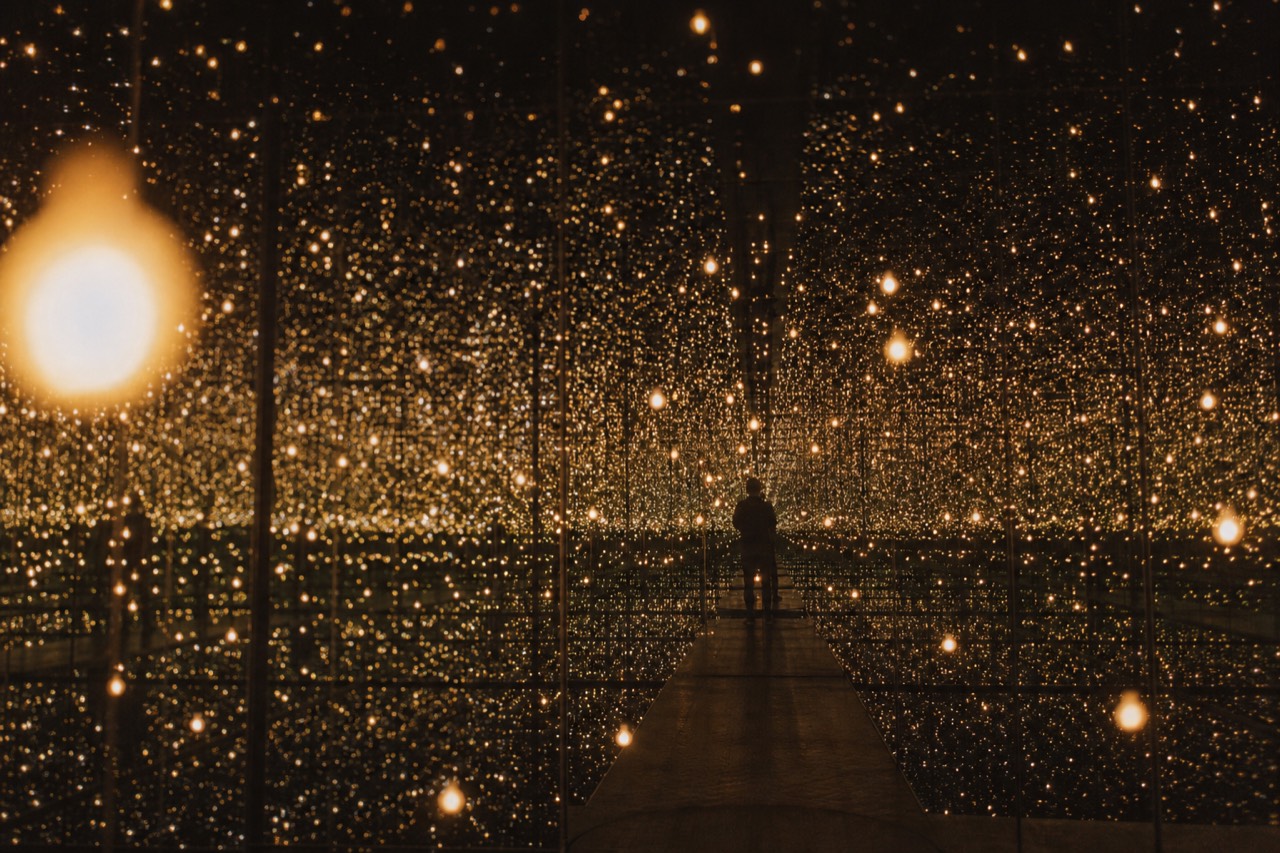
These are the collections Madrid residents recommend once you have done the obvious ones. Most cost a few coins, none of them queue, and several are house museums, which changes how the paintings read. You see a Goya over a fireplace in the room it was hung for rather than on a white wall with forty other people in front of it.
| Museum | Official price | Closed | What is inside |
|---|---|---|---|
| Galería de las Colecciones Reales | €14 | 1 and 6 Jan, 1 May, 25 Dec | Royal collections in a granite building beside the palace, opened 2023 |
| Lázaro Galdiano | €8 | Mondays | A collector's mansion on Calle Serrano, Goya among the highlights |
| San Fernando Academy | €10 | Mondays, much of August | The royal academy's own gallery of Spanish painting |
| Museo Cerralbo | €3 | Mondays | A marquis's house near Plaza de España, art, armour and a ballroom |
| Museum of Romanticism | €3 | Mondays | Romantic-era painting and furniture in a period mansion |
| Palacio de Liria | Booked visits with audioguide | Limited opening | The House of Alba's collection, Velázquez, Goya and Rubens |
| Museo Sorolla | Not yet published | Renovation until October 2026 | The painter's house and studio |
The Galería de las Colecciones Reales is the newest of these and still the least known to visitors. It opened in 2023 on the slope below the Royal Palace to show what Patrimonio Nacional had been holding out of sight, and it runs on capacity-capped time slots, so it never feels like the palace next door. Free entry runs Monday to Thursday from six to eight in the evening for EU and Iberoamerican citizens.
Palacio de Liria works differently again. The Alba family still owns it, visits run with an audioguide on a booked timetable, and a limited number of free Monday slots are released online each week. It is not sold through the big platforms, so the palace's own booking page is the only sensible route in.
Then there is the exhibition circuit, which holds no permanent collection at all and changes every few months. CaixaForum Madrid stacks its shows behind a living vertical garden on the Paseo del Prado and charges six euros at its own desk. Museo ABC, built around the newspaper's drawing and illustration archive, is free, and so is Matadero Madrid, the old slaughterhouse by the river that now runs as a culture complex, although individual events inside it are ticketed. The Reina Sofía's Palacio de Velázquez, in the middle of the Retiro, charges nothing either. A strong temporary show in one of these rooms can be a better afternoon than a second national collection, so check what is on before you commit the time.
When is Museo Sorolla reopening, and what fills the gap?
Museo Sorolla has been closed for renovation since 2024 and is due to reopen in phases from October 2026. Until then there is no way to see the house or the studio. For the same light and the same period, the San Fernando Academy, the Lázaro Galdiano and the Museum of Romanticism are the closest substitutes, and all three stay open.
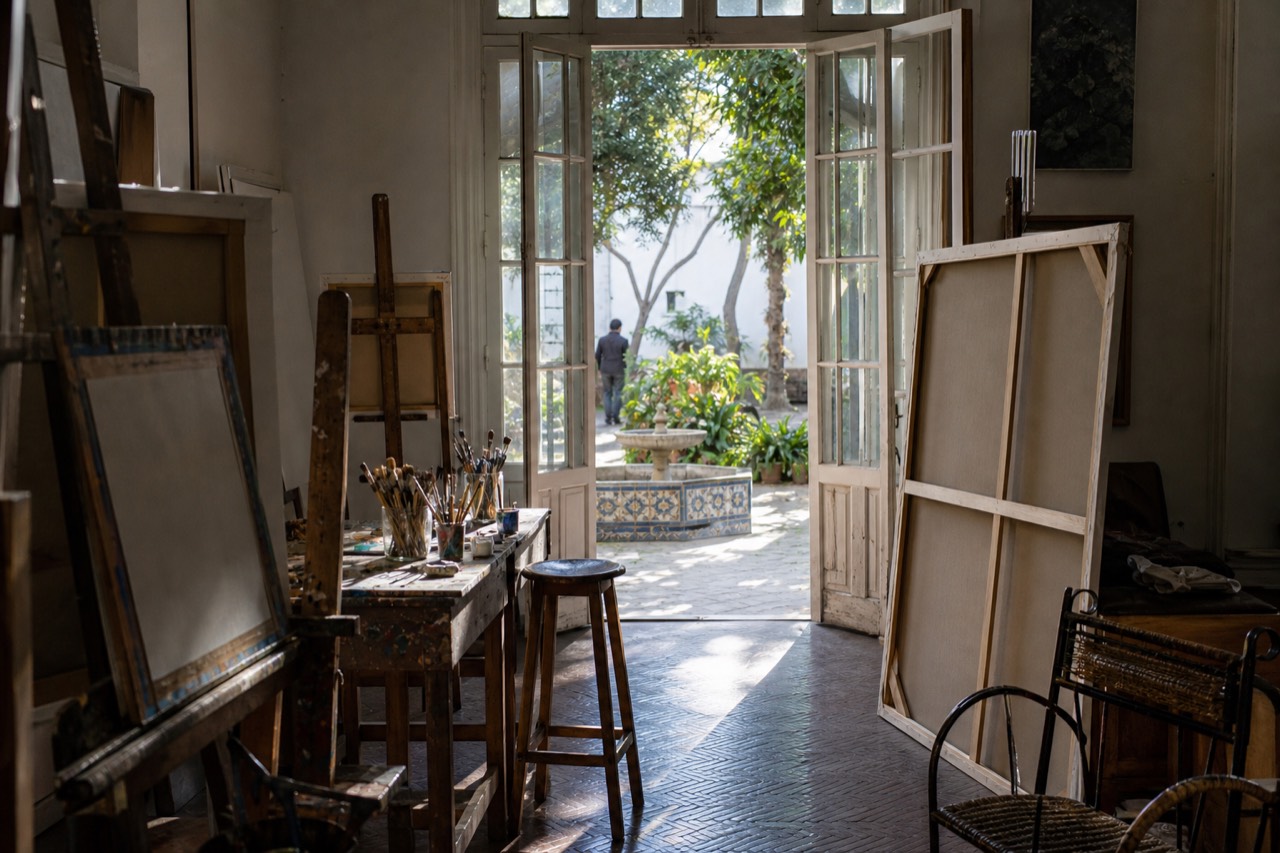
This is the single most common wasted journey in Madrid right now. The Museo Sorolla sits on Paseo del General Martínez Campos in Chamberí, it is one of the best-loved house museums in Spain, and it has been behind hoardings for two years. Older press reports promised an early 2026 return; the most recent reporting puts the phased reopening in October 2026, and 2026 pricing has not been published. The ministry's Sorolla museum page carries the reopening notices as they land.
What actually substitutes depends on what you wanted from it. If it was the light, the beach scenes and the sense of a painter's own house, the Lázaro Galdiano gets closest, because it is also a house and also hung as a private collection. If it was Spanish painting of that generation, the San Fernando Academy has the deeper wall. If it was the garden and the atmosphere, the Museum of Romanticism has a courtyard cafe that residents treat as a secret.
| If you wanted | Go instead to | Why it works | Cost |
|---|---|---|---|
| A painter's own house | Lázaro Galdiano | A collector's mansion kept intact on Calle Serrano | €8 official |
| Spanish painting in depth | San Fernando Academy | The academy's gallery, Goyas included | €10 official |
| Period rooms and a garden | Museum of Romanticism | A restored mansion off Calle Fuencarral | €3 official |
| Aristocratic interiors | Museo Cerralbo | Armour, chandeliers and a preserved ballroom | €3 official |
One timing note on the Museum of Romanticism, because it catches people out. It ran a temporary free-entry period from 30 June to 31 August 2026. After that it returns to its normal three euros with the usual Saturday-afternoon and Sunday free slots, so a September visit planned around an open door will meet a ticket desk instead.
What do the art museums cost, and when are they free?
Every major art museum in Madrid opens free for part of the week. The Prado's last two hours are free daily, the Reina Sofía runs free evenings from 19:00 and Sunday middays, and the Thyssen's permanent collection is free from midday on Mondays. Free entry still needs a ticket, and the royal sites limit their free windows to EU and Iberoamerican citizens.
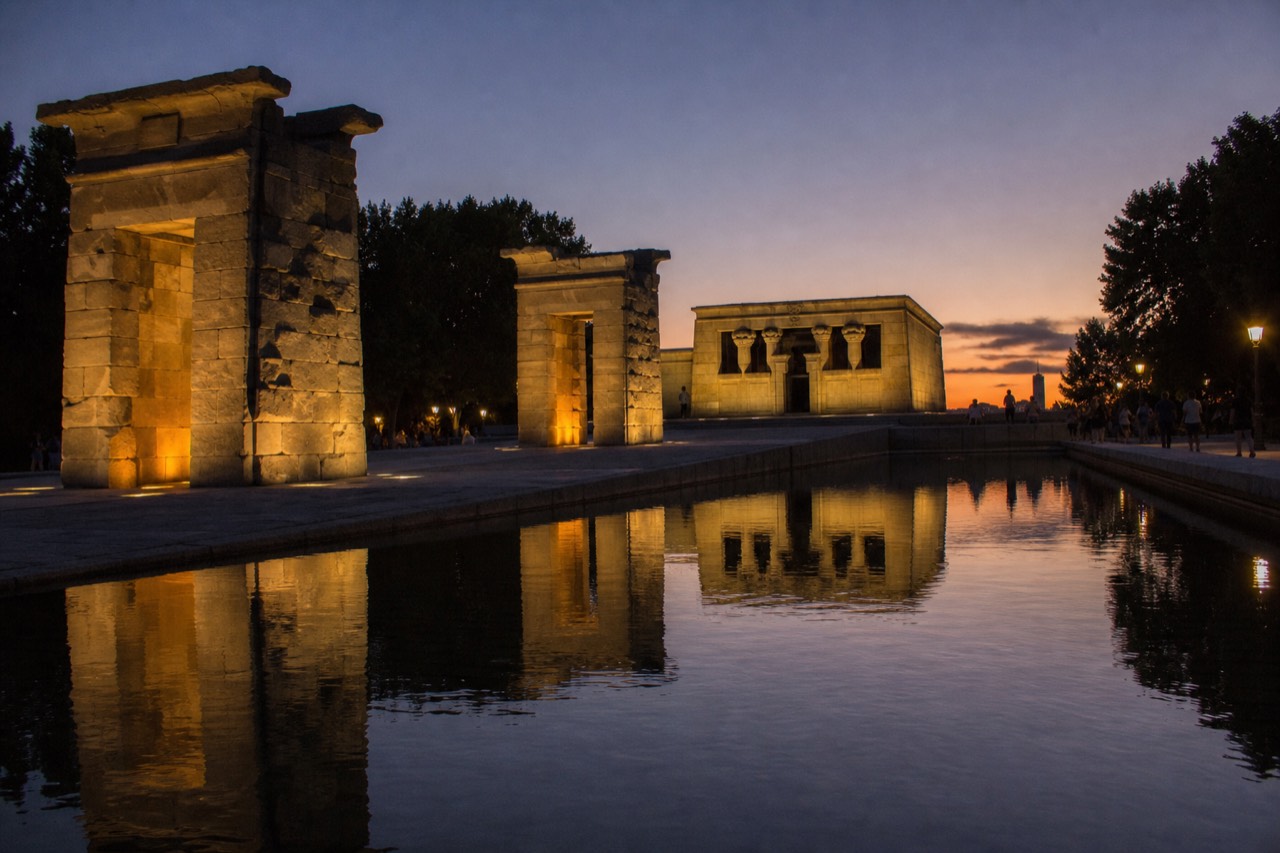
The windows are short, they are unevenly spread across the week, and several of them carry conditions that are easy to miss until you are at the desk. Read this grid before you decide which museum gets your paid hours and which gets a free evening.
| Museum | Free window | Conditions |
|---|---|---|
| Prado | Mon-Sat 18:00-20:00, Sun and holidays 17:00-19:00 | Permanent collection free, temporary shows half price |
| Reina Sofía | Mon and Wed-Sat 19:00-21:00, Sun 12:30-14:30 | Ticket still required, individuals only, closed Tuesdays |
| Thyssen-Bornemisza | Mon 12:00-16:00 | Permanent collection, sponsor-funded |
| Thyssen-Bornemisza | Sat 21:00-23:00 | Temporary exhibitions, sponsor-funded |
| Galería de las Colecciones Reales | Mon-Thu 18:00-20:00 | EU and Iberoamerican citizens only |
| Lázaro Galdiano | Tue-Fri 14:00-15:00 | The last hour only, closed Mondays |
| San Fernando Academy | Tue-Fri 13:30-15:00 | Permanent collection, closed Mondays |
| Museo Cerralbo | Thu 17:00-20:00 and Sundays | Closed Mondays |
| Museum of Romanticism | Sat afternoons and Sundays | Baseline €3 outside those hours |
| Museo ABC and Matadero | Always free | Some Matadero events are ticketed |
Free hours are genuinely free rather than discounted, but they are not a substitute for a full visit to the Prado. Two hours there covers the famous rooms and leaves the rest untouched. Where they work best is a second museum on a day you had not planned one, or a return visit aimed at four paintings. The Reina Sofía audience has already worked this out: 62% of the people who entered its main site in 2025 came in on a free slot or a discount.
The daily Prado window is the one worth planning around, and the museum's own opening times and prices page confirms it before you hand over an evening. The Reina Sofía closes on Tuesdays rather than Mondays, which trips up more art-museum days than any other single fact in this city, and its visitor information page also sets out the free-hours conditions, which apply to individuals rather than groups. The full grid for every museum, art or otherwise, sits in our guide to free entry across the city.
How do you build an art-first day around them?
Take one big collection in the morning at your booked hour, break for two hours in the middle of the day, then use a free window in the evening for the second. That gives you three to four hours of real looking rather than six hours of shuffling, and it costs about half of what three full tickets would.
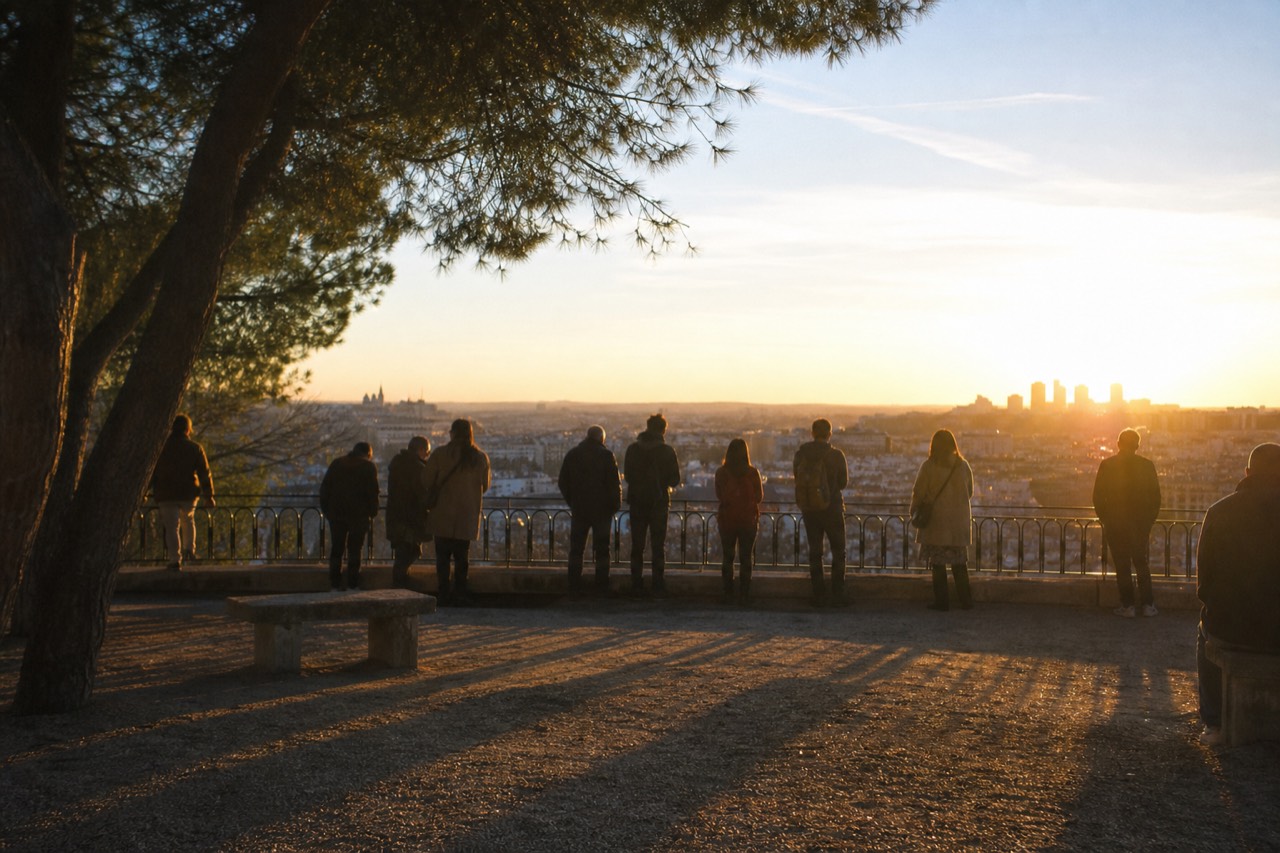
Museum fatigue is real and it arrives faster than people expect, usually around the ninety-minute mark in a dense collection. The schedule below is built around that rather than against it, and it uses the free windows as the second visit rather than the first, because the first visit of the day is the one you actually remember.
| Time | Where | What you do | Note |
|---|---|---|---|
| 10:00 | Prado, booked entry | Velázquez, Goya, Bosch, three hours | Entry closes 30 minutes before the museum does |
| 13:00 | Real Jardín Botánico | Forty minutes outdoors next door | One of the cheapest tickets in the city |
| 14:00 | Lunch off the boulevard | Ninety minutes, sitting down | The afternoon is long |
| 16:00 | Lázaro Galdiano or San Fernando | A mansion or an academy, ninety minutes | Both closed Mondays |
| 19:00 | Reina Sofía, free evening | Guernica and floor two, two hours | Closed Tuesdays, free from 19:00 |
Swap the order for a Monday and it still works: the Thyssen turns free at midday, the Prado's window opens at six, and the mansions are shut anyway. Swap it again for a Tuesday and the Reina Sofía drops out entirely, which is the day to give the Colecciones Reales and the palace hill instead.
The Real Jardín Botánico earns its place in that schedule as a reset rather than an attraction. It sits directly beside the Prado, it costs less than a museum ticket, and forty minutes of shade between two collections is the difference between looking and drifting.
Two days changes the whole calculation. With two you can give the Prado a proper morning and the Reina Sofía a proper afternoon on separate days, put the Thyssen in a free Monday window, and still have room for one mansion. Anyone building a longer plan should read our museum-first itinerary, which sets the same pieces out across one, two and three days.
Which art museum suits which kind of visitor?
First-timers with one day should take the Prado and nothing else. Modern-art visitors should start at the Reina Sofía. Anyone who wants a complete arc in two hours should take the Thyssen-Bornemisza, and anyone on a second trip gets more out of the Lázaro Galdiano or the San Fernando Academy than out of a repeat visit.
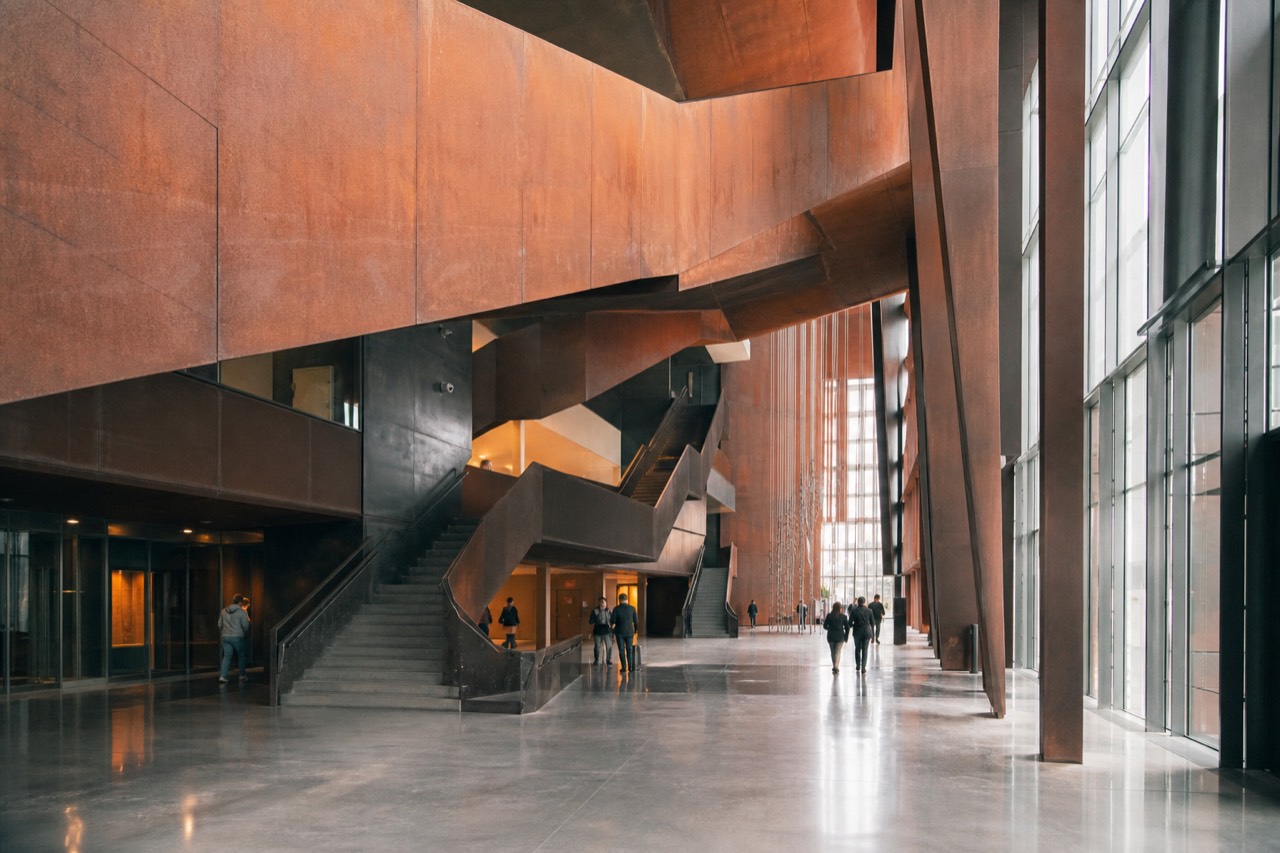
The mistake most visitors make is treating all three boulevard museums as compulsory. They are not interchangeable, and doing two of them badly is worse than doing one of them properly. The grid below is the shortest honest answer to "which one, then?".
| You are | Take | Skip | Because |
|---|---|---|---|
| On your first Madrid trip, one day | Prado | The other two | The collection has no equivalent anywhere else |
| Here for modern art | Reina Sofía | Prado | Guernica plus the deepest Spanish modernism in the country |
| Short on time, want the whole story | Thyssen-Bornemisza | Prado | Seven centuries in order across three floors |
| Travelling with restless teenagers | Reina Sofía | Prado | Two focused hours beats three unfocused ones |
| On a second or third visit | Lázaro Galdiano, San Fernando | The queues | Better paintings per euro, no crowds |
| Interested in monarchy and power | Colecciones Reales | Thyssen | Royal collections shown in one purpose-built museum |
| Chasing temporary shows | CaixaForum, Palacio de Velázquez | Fixed hangs | The programme changes every few months |
One caveat on the ratings in the first table. The Thyssen's 4.8 rests on 424 reviews while the Prado's 4.6 rests on more than twenty-two thousand, so read the higher number as a strong signal from a small sample rather than proof that one museum beats the other. Ratings and review counts shift week to week on the live listings, and none of them tell you whether you like Bosch.
What else do people ask before an art-museum day here?
Four facts answer most of it: the Prado is free for its last two hours every day, the Reina Sofía closes on Tuesdays, Museo Sorolla stays shut until October 2026, and the €32.80 Paseo del Arte pass only makes sense if you use all three of its legs within the year it stays valid.
How many art museums can you see in one day in Madrid?
Two properly, three at a stretch. The three Paseo del Arte museums sit within a ten-minute walk of each other, which makes the third one physically easy and mentally hard. Most visitors run out of attention around the four-hour mark. A better plan is one booked morning visit, a long lunch, then a free evening window at a second museum.
Which is the best art museum in Madrid?
The Prado, by collection depth and by a wide margin. It holds Las Meninas, the deepest group of Goyas anywhere, and major El Greco, Bosch, Titian and Rubens holdings. It also took 3,513,402 visitors in 2025, more than twice any other museum in the city. If you have time for exactly one, this is it.
Is Museo Sorolla open in 2026?
Not yet. It has been closed for renovation since 2024, with a phased reopening expected from October 2026, and 2026 ticket prices have not been published. Older reports suggesting an early 2026 return were overtaken. For a similar house-museum experience in the meantime, the Lázaro Galdiano on Calle Serrano is the closest match.
Where can you see Goya in Madrid?
In four places. The Prado holds the largest group, including the Black Paintings and the great history canvases. The San Fernando Academy on Calle de Alcalá has a celebrated smaller group. The Lázaro Galdiano owns Goyas within a private collection, and the Galería de las Colecciones Reales shows royal-collection works alongside Velázquez and Caravaggio.
Which art museums in Madrid are free?
Museo ABC and Matadero Madrid are free all the time, and the Reina Sofía's Palacio de Velázquez exhibition hall in the Retiro charges nothing. Everything else is free only at set hours: the Prado for its last two hours daily, the Reina Sofía on most evenings from 19:00, the Thyssen on Monday afternoons, and the state museums on Saturday afternoons and Sundays.
Do you need to book art-museum tickets in advance?
For the Prado in high season, yes, because timed slots go early and the queue at the door is real. The Galería de las Colecciones Reales caps capacity per slot, so booking helps there too. The three-euro state museums and the academy almost never need it. Free windows cannot be reserved and run first come, first served.
Is the Paseo del Arte pass worth it for art museums?
It costs €32.80 against €41 for three separate tickets, a 20% saving, and covers one visit to each permanent collection within a year of purchase. That one-year validity is its real strength, since it can be split across two trips. Follow each museum’s voucher redemption and security procedures.
Which Madrid art museum is quietest?
The Lázaro Galdiano and the San Fernando Academy, comfortably. Both hold major Spanish paintings, both cost under ten euros, and neither has a queue on a normal weekday. The Galería de las Colecciones Reales is the quietest of the big-ticket museums because it runs on capacity-capped time slots rather than open entry.
Related reading
Prado And Reina Sofía Guided Visit
Choose your guided Prado and Reina Sofía date before filling the art day. Compare the pass below if you prefer all three museums without a guide.
About 4 hours · English option · Velázquez statue outside the Prado; ends at Reina Sofía
Scheduled departure dates. Availability and final price are confirmed on Viator.
None of these experiences matches that choice. Adjust your preference or reset to the general recommendation.
Compare Options And Plan Your Visit
- Three museums, no guide
- One pass for Prado, Reina Sofía and Thyssen permanent collections.
- Two museums with a guide
- Prado and Reina Sofía with both admissions; no Thyssen entry.
- Only the Prado
- A single-museum admission for a shorter plan.
- Only modern art
- Reina Sofía admission, including the collection containing Guernica.
- Mansion admission only
- Lázaro Galdiano at your own pace without an added guide.
- Mansion plus audio narration
- Same museum with downloadable English commentary; bring phone and headphones.
Before Booking
Select the English two-museum option. Thyssen admission, transport and meals are not included.
Compare complete party totals in the same currency, including admission, guidance, transport and any extras. These are your comparison inputs, not live ticket prices.