Hidden Gem Museums in Madrid: Cerralbo, Lázaro Galdiano and More
Seven collections a short walk or one metro stop from the crowds, most of them charging three euros, several of them houses rather than galleries, and one of them shut until October.
 By Elena García, Madrid Museums Specialist & Cultural Guide
Short answer
The Cerralbo Museum and the Lázaro Galdiano are the two to take first: a marquis's intact mansion near Plaza de España at €3, and a financier's private collection on Calle Serrano at €8, both with Goya or El Greco on the walls and neither with a queue. The Museo Sorolla, the third of the great house museums, stays closed until October 2026.
Booking choice: Explore Lázaro Galdiano museum admission
There is a ballroom on Calle Ventura Rodríguez with the chandeliers still up, the mirrors still foxed and the furniture where the family left it, and on a Thursday evening you can stand in the middle of it more or less alone. Fifteen minutes away, a queue four hundred deep waits to see one painting. Both cost money. One of them costs three euros.
That gap is the entire argument of this page. Madrid's second ring of museums, the house museums, the state collections and the specialist holdings, is unusually strong and unusually ignored, partly because the Paseo del Arte absorbs all the attention and partly because nobody tells you they exist. The madrid museums directory carries all of them with prices and hours; what follows is which ones actually deserve an afternoon.
Which museums in Madrid do most visitors walk straight past?
Seven collections carry the second ring: the Cerralbo, the Lázaro Galdiano, the Sorolla, the Museo del Romanticismo, the Museo del Traje, the Museo de América and the Museo Nacional de Artes Decorativas. Five of them charge three euros, one charges eight, and one is closed for renovation until October 2026.
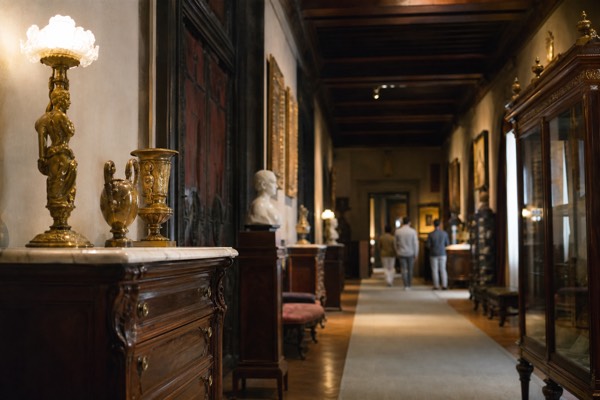
What links them is not a theme. It is a price band and a level of attention. Several are houses that were left more or less as their owners kept them, which is a completely different experience from a gallery: you walk through rooms rather than past walls, and the objects sit where somebody chose to put them rather than where a curator did.
| Museum | Where | Official price | Closed | What is inside |
|---|---|---|---|---|
| Museo Cerralbo | Near Plaza de España | €3 | Mondays | A marquis's intact mansion, armour, a chandeliered ballroom, an El Greco |
| Museo Lázaro Galdiano | Calle Serrano, Salamanca | €8 | Mondays | A financier's private collection in his own house, Goya and Bosch included |
| Museo Sorolla | Chamberí | Not yet published | Closed for renovation until October 2026 | The painter's house and studio, kept as he left it |
| Museo del Romanticismo | Off Calle Fuencarral | €3 | Mondays | Romantic-era Madrid in a period mansion, plus a garden cafe |
| Museo del Traje | Ciudad Universitaria | €3 | Mondays | Spanish dress from court wear to modern fashion |
| Museo de América | Near Moncloa | €3 | Check before you travel | Pre-Columbian, colonial and ethnographic collections |
| Museo Nacional de Artes Decorativas | Beside the Retiro | €3, reduced €1.50 | Check before you travel | Ceramics, furniture and a famous tiled Valencian kitchen |
| Museo Arqueológico Nacional | Calle Serrano | €3 | Mondays | The Lady of Elche, the Lady of Baza and the Guarrazar treasure |
| Real Academia de San Fernando | Calle de Alcalá | €10 | Mondays and all of August | Two Goya self-portraits and 213 original copper plates |
The Archaeological Museum is the borderline case in that list, because it is no longer a secret: it set its own record at roughly 864,000 visitors in 2025, which is not a hidden gem by any measure. It stays here because it still charges three euros for the Lady of Elche and the rest, and because most first-time visitors to Madrid still do not put it on a list.
The Real Academia de San Fernando is the opposite case, and the most underrated room of Goyas in Spain sits inside it. Two self-portraits, the Burial of the Sardine, and a dedicated Gabinete holding all 213 original copper plates for the Caprichos, the Desastres, the Disparates and the Tauromaquia. It closes for the whole of August, which removes it from a large share of visitor calendars.
Is the Cerralbo Museum worth visiting?
Yes, and it is the strongest three euros in Madrid. The Cerralbo Museum is the Marquis of Cerralbo's own mansion near Plaza de España, preserved room by room with his art, armour, more than 50,000 objects and a chandeliered ballroom intact. It took 165,167 visitors in its last published full-year count, about one for every twenty-one the Prado takes.
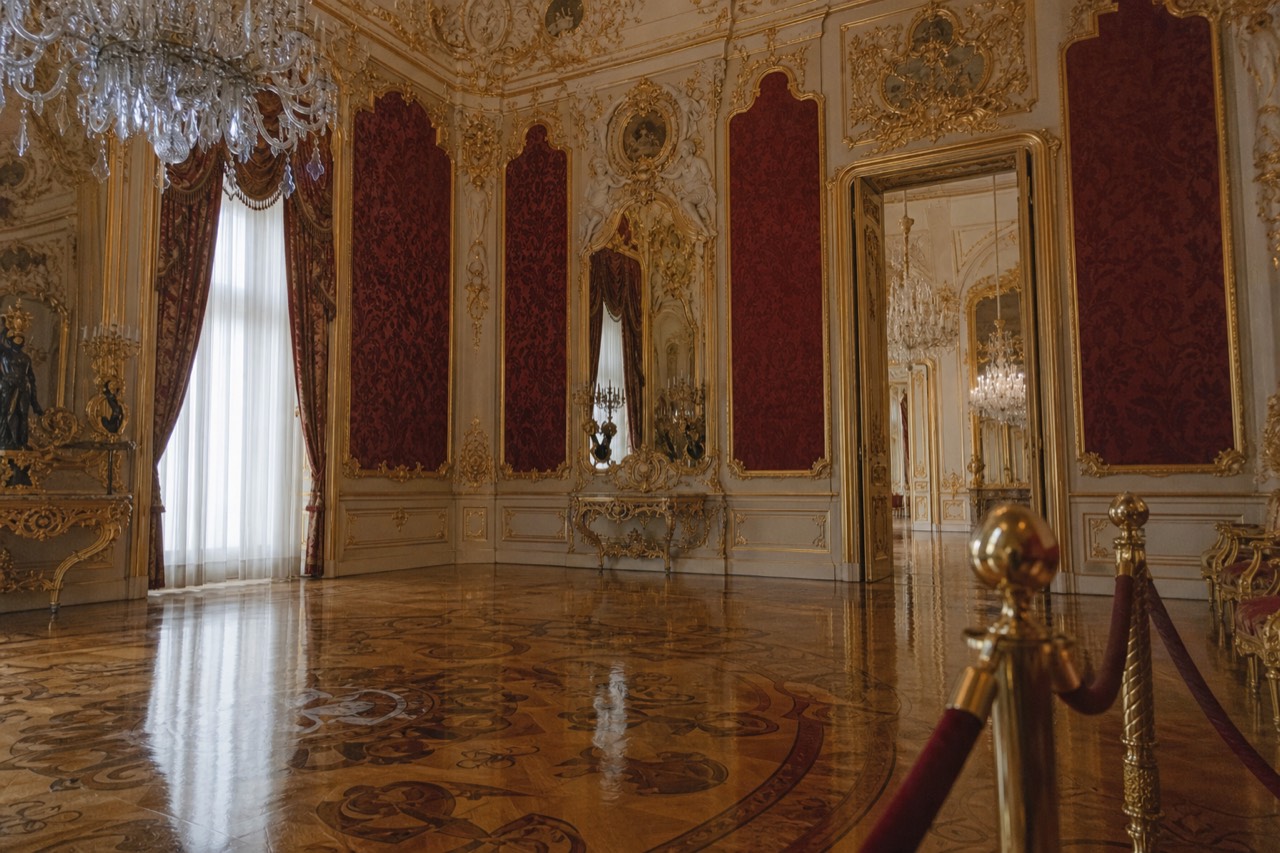
The Cerralbo works because nothing was rearranged. The marquis left the house and its contents to the state, and it opened as a museum still furnished the way he lived in it, which means the collection reads as a nineteenth-century aristocratic interior rather than as a curated display. There is an El Greco, the Ecstasy of Saint Francis, hanging in a house rather than in a gallery wing. Recent conservation work has extended to the historic railings on Álvarez Mendizábal and Ventura Rodríguez, the two streets it stands between.
It is also the natural comparison for the other search most people are running, so here are the two head to head.
| Museo Cerralbo | Museo Lázaro Galdiano | |
|---|---|---|
| What it is | An intact aristocratic mansion, left as furnished | A collector's mansion built around his own collection |
| Where | Near Plaza de España, walkable from the Royal Palace | Calle Serrano in Salamanca, one metro stop out |
| Official price | €3 | €8 |
| Free window | Thursday 17:00-20:00 and Sundays | Tuesday to Friday, 14:00-15:00, the last open hour |
| Closed | Mondays | Mondays, plus 15 August and the year-end dates |
| Signature work | El Greco's Ecstasy of Saint Francis | Goya's witches and sabbath paintings |
| Time to allow | About an hour | An hour to ninety minutes |
| On the live listing | Sold through the museum itself | 4.5 across 78 reviews |
Visitor reports through 2026 keep landing on the same two notes: the atmosphere is genuinely aristocratic rather than reconstructed, and the building can back up at opening time because the rooms are small and the flow is single-file. Arriving mid-morning or at the start of the Thursday free window handles both. The museum publishes its hours and any closures on the ministry's own Cerralbo pages, and our page for the Cerralbo Museum carries the same practical detail alongside the rest of the city.
What is in the Lázaro Galdiano, and what does it cost?
Eight euros at the door, or from about $9 on the live listing, buys you the private collection of the financier José Lázaro Galdiano inside his own mansion on Calle Serrano. Goya's witches paintings, a Bosch, and a very deep run of decorative arts through the house, rated 4.5 across 78 reviews, with almost nobody else in the rooms.
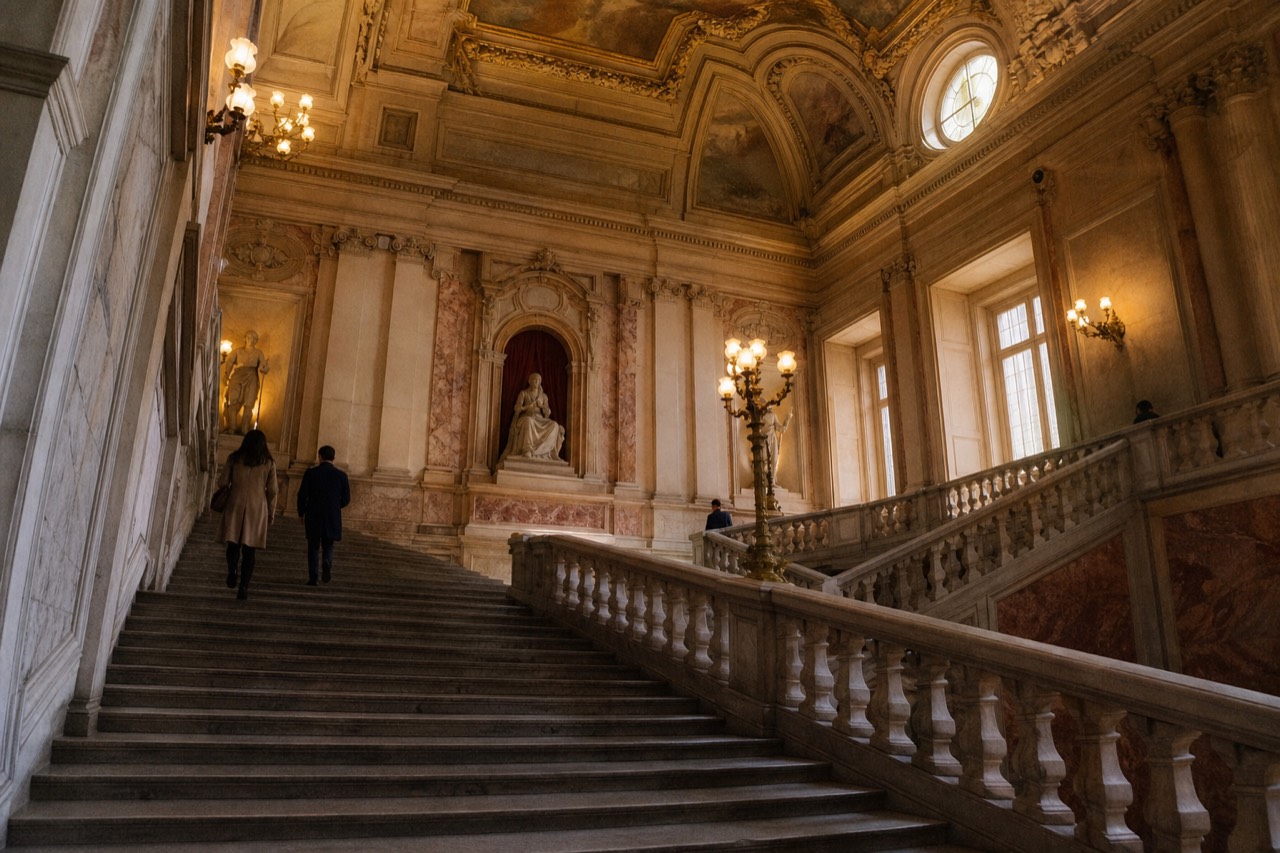
The Lázaro Galdiano is the museum we would put on a second Madrid trip ahead of anything else, and often on a first one too. Lázaro Galdiano was a financier who built the house around what he was collecting and left both to the state. The result is a collection assembled by one obsessive taste rather than by a national acquisition policy, which makes it wildly uneven in the best way.
| What you get | Highlights | Note |
|---|---|---|
| Spanish painting | Goya's witches and sabbath paintings, among the strangest things he made | The reason most people come |
| Northern European painting | A Bosch, plus Flemish and Dutch holdings | Small in number, high in quality |
| Decorative arts | Ivories, enamels, arms, jewellery and textiles through the house | The broadest part of the collection |
| The house itself | Painted ceilings, original stairs, rooms built for the collection | The building is part of the ticket |
| The gardens | Used for outdoor sculpture and photography shows through the summer | Free to look into from Serrano |
| Photography programme | A regular slot in Madrid's summer photography festival | Rotates; check what is on |
Its 2026 programme leaned hard on photography and sculpture: a Talia Chetrit show through the summer, an outdoor sculpture display by Antón Casamor in the gardens, and a recovered-image project by Isabel Matoses running into September. The museum lists its current shows on its own site, and they change often enough to be worth a look before you go.
The free hour, 14:00 to 15:00 Tuesday to Friday, is a genuine bargain and also a constraint. An independent paid Lázaro Galdiano visit gives you more room to make it an afternoon rather than a hurried stop.
Why is the Museo Sorolla closed, and when does it reopen?
The Museo Sorolla has been closed for renovation since 2024. The first phase reopens in October 2026, adding roughly 2,000 square metres of new space in a former car workshop, new temporary exhibition halls and full accessibility work. The historic house itself follows in a second phase lasting about ten months.
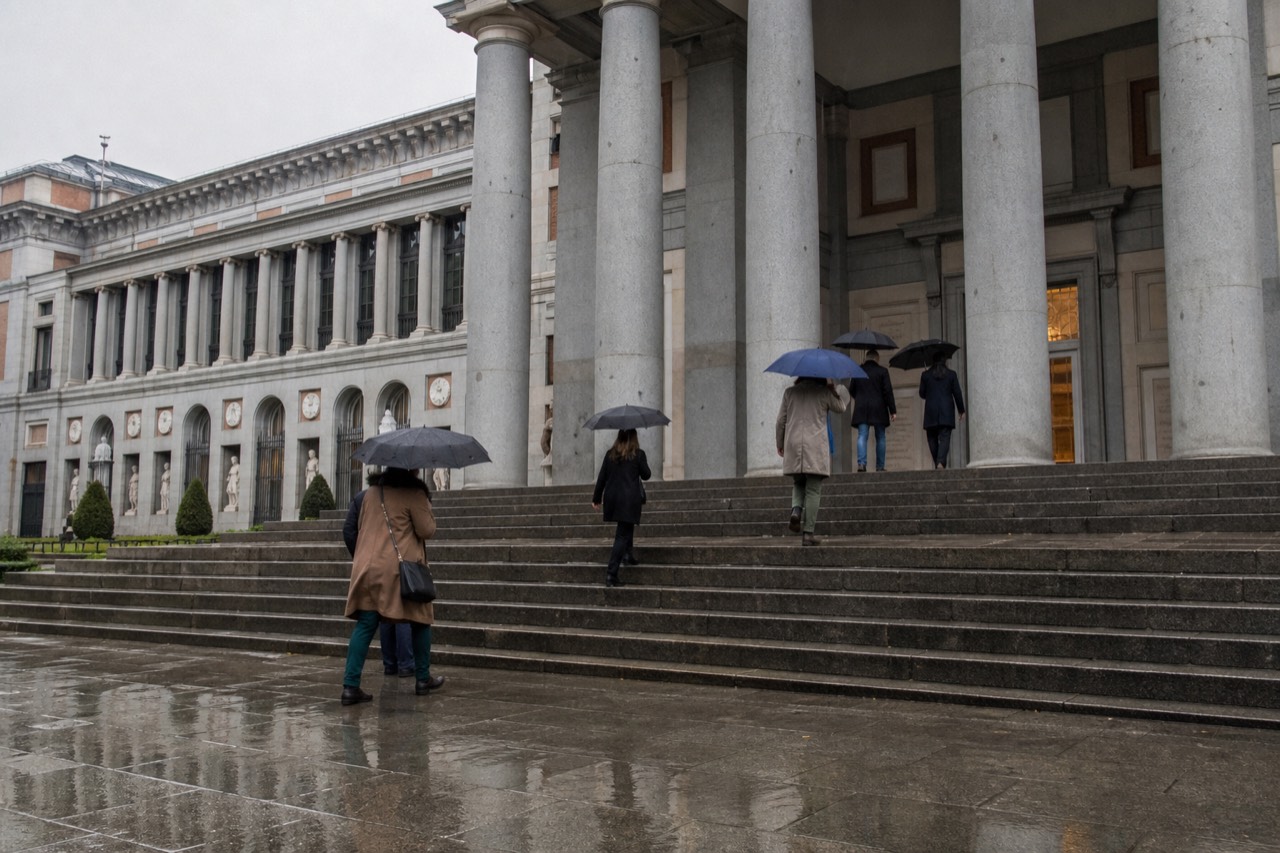
This is the single most important status fact on the page, because Joaquín Sorolla's house and studio in Chamberí is the museum most often recommended to visitors by people who have not checked recently. It is not open. Older coverage promised an early-2026 return, and the ministry has since confirmed October 2026 for phase one, so treat the newer date as the real one.
| Phase | What it delivers | When | What it means for a visit |
|---|---|---|---|
| Closure | Museum shut to the public | Since 2024 | No visits, no ticket sales, no exceptions |
| Phase one | About 2,000 m² of new space in a former car workshop, new temporary exhibition halls | October 2026 | Partial reopening; the new wing rather than the historic house |
| Accessibility work | Lifts marked to accessibility standards with Braille, accessible facilities, a five-star accessibility certification | With phase one | The house was previously difficult for wheelchair users |
| Phase two | Rehabilitation of the historic house and studio | About ten months after phase one | The rooms Sorolla actually painted in |
| Pricing and hours | Not yet published for the reopening | Unknown | Check before you plan a visit around it |
What that means in practice is that no 2026 Madrid itinerary should count on Sorolla, and any list that includes it without a caveat was written before August. The ministry posts the reopening notices on its Sorolla pages, and we track the same status on our page for the Museo Sorolla.
If it was the light-filled Spanish painting you were after, the substitutes are honest rather than perfect. The Prado holds Sorolla's contemporaries and predecessors, the Lázaro Galdiano covers the same period from a collector's angle, and the Real Academia de San Fernando has the Goyas. None of them is the studio with the brushes still in it, and there is no point pretending otherwise.
What else sits in Madrid's second ring?
The Museo del Romanticismo recreates 1800s Madrid in a period mansion with one of the best garden cafes in the city. The Museo del Traje traces Spanish dress from court wear to modern fashion. The Museo de América holds five centuries of pre-Columbian and colonial collections, and the Artes Decorativas has a tiled Valencian kitchen people travel for.
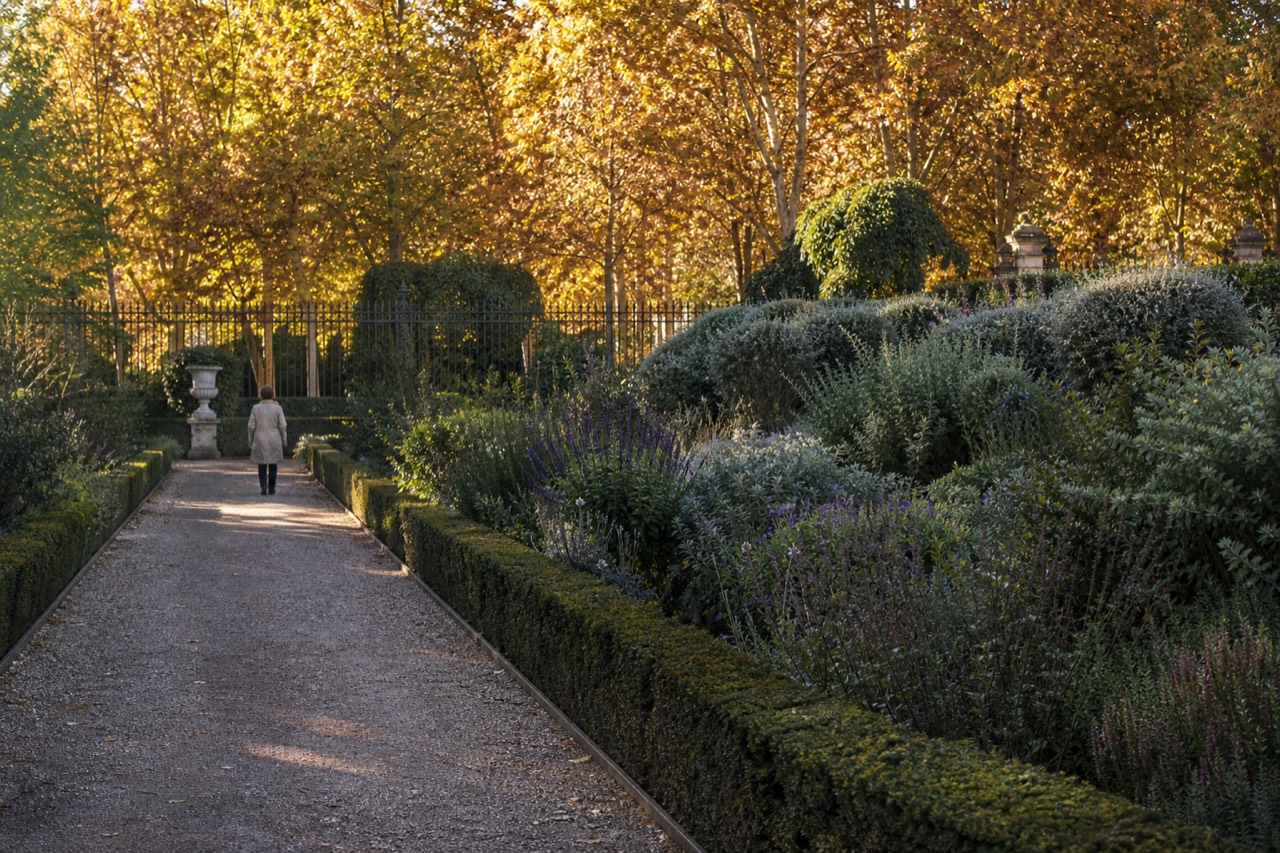
These four are cheaper than a cinema ticket and easier to fit around a bigger museum than most people expect. All four run temporary exhibitions that are usually better than their budgets suggest, and three of them have been unusually busy through 2026.
| Museum | Signature holding | 2026 programme | Free window |
|---|---|---|---|
| Museo del Romanticismo | A period mansion recreating Romantic-era Madrid, plus the Café del Jardín | Madrazo and Palmaroli drawings on artists in Italy; Laia Abril's endometriosis project | Saturday afternoons and Sundays |
| Museo del Traje | Spanish dress and fashion across the centuries | A look at the museum's own internal work; a Teresa Helbig retrospective; a student design show | Saturday from 14:00, Sundays, Thursday evenings in July and August |
| Museo de América | Pre-Columbian, colonial and ethnographic collections from five centuries | Permanent collection led | Thursday afternoons and Sundays |
| Museo Nacional de Artes Decorativas | Ceramics, furniture and the tiled Valencian kitchen | Temporary exhibitions, always free | Sunday hours; temporary shows free at all times |
| Museo Arqueológico Nacional | The Lady of Elche, the Lady of Baza, the Guarrazar treasure | A heritage-science exhibition; a rotating gallery of recent finds and restorations | Saturday from 14:00, Sunday mornings |
| CaixaForum Madrid | Rotating shows behind a living vertical garden on the Paseo del Prado | Changes several times a year | Free on a handful of city and museum days |
Two rows there carry conditions. The Romanticism Museum ran a temporary free-entry period through the summer of 2026 that ends on 31 August; from September it returns to its standing €3 admission with free Saturday afternoons and Sundays, so a free door in autumn is not something to plan around. Its garden cafe reopened with a new tea room, and it is one of the few museum cafes in Madrid worth going to on its own terms.
The other is CaixaForum, which is an arts centre rather than a museum: no permanent collection, €6 for whatever is currently hanging, and a vertical garden on the outside wall that has become its own photograph. It sits on the Paseo del Prado, which makes it the easiest second-ring stop to bolt onto a Golden Triangle day.
The Museo del Traje and the Museo de América both sit out toward Moncloa and Ciudad Universitaria, which puts them on a different day from the centre. The decorative arts collection is the exception: it stands beside the Retiro, a few minutes from the Prado's north end, and its temporary exhibitions cost nothing at any hour.
How much quieter are these than the big three?
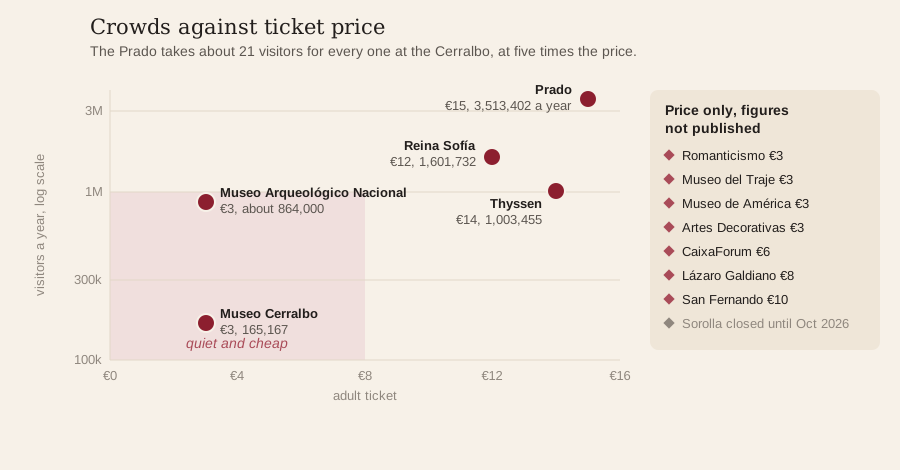
Very. The Prado took 3,513,402 visitors in 2025 and the Cerralbo took 165,167 in its last published year, a ratio of about twenty-one to one. The Thyssen, at 1,003,455, is the quietest of the Golden Triangle and still draws six times the Cerralbo's traffic.
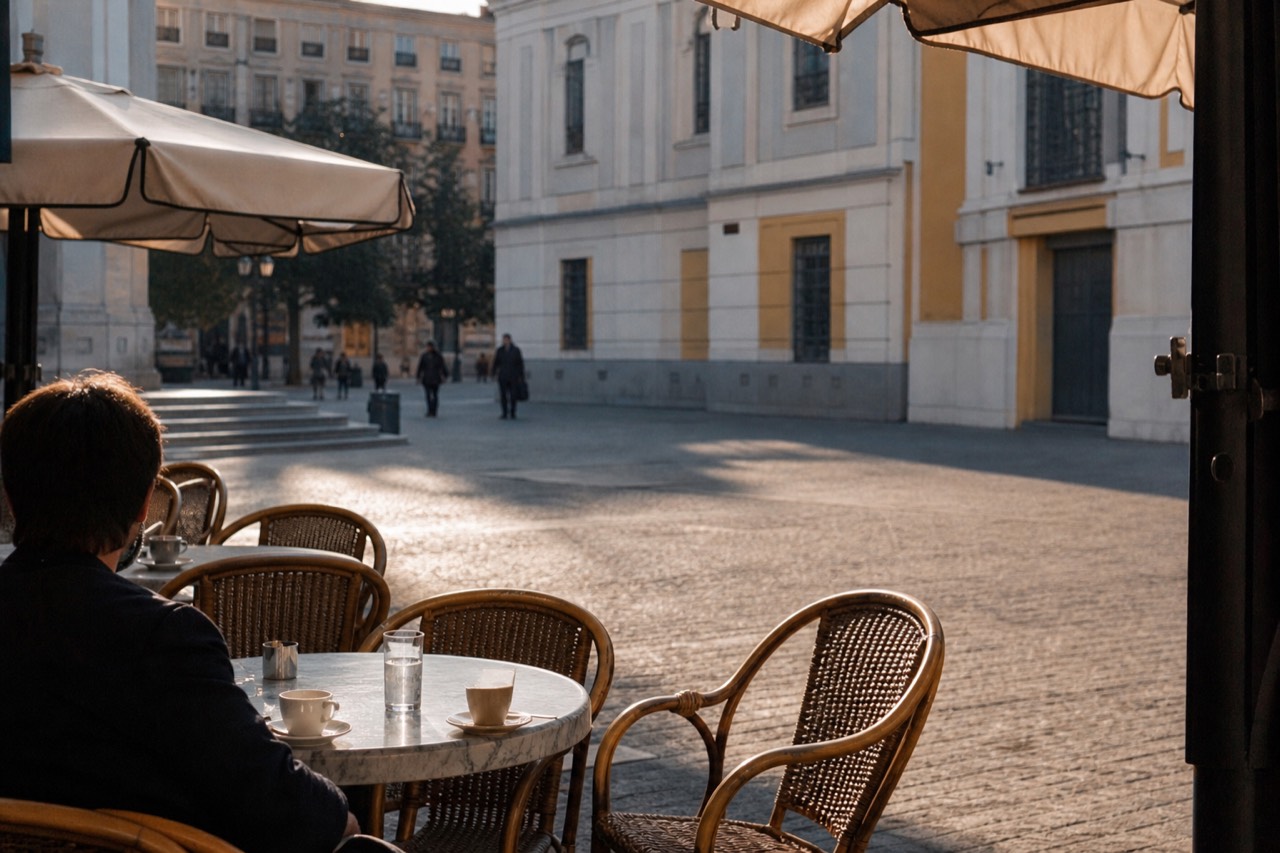
Crowding is the reason to care about any of this, so it is worth putting real numbers against the impression. The figures below are annual visitor totals, not daily counts, but the proportions hold up on any given Saturday.
| Museum | Annual visitors | Ticket | Roughly how it feels |
|---|---|---|---|
| Museo del Prado | 3,513,402 in 2025, a third straight record | €15, free last two hours daily | A slow-moving river through the central gallery on summer weekends |
| Royal Palace of Madrid | 1,769,167 in 2025, up 11.6% | From $26 on the live listing | Timed slots, and still busy inside them |
| Museo Reina Sofía | 1,601,732 in 2025, up 4.2% | €12; 62% of visitors entered free or discounted | Thickest around one painting, thinner everywhere else |
| Museo Thyssen-Bornemisza | 1,003,455 in 2025, its second-highest ever | €14, free Monday afternoons | Calm enough to sit in front of one canvas |
| Museo Arqueológico Nacional | About 864,000 in 2025, a record | €3 | Busy at weekends, empty on weekday mornings |
| Museo Cerralbo | 165,167 in its last published full year | €3 | Small rooms, single-file flow, occasional queue at opening |
The Thyssen is the useful middle term here, and worth naming as the escape hatch inside the Golden Triangle itself. It rates 4.8 across 424 reviews on the listing, the highest score of the three, on a fraction of the Prado's traffic, and its seven-centuries-in-order hang means two quiet hours give you a complete arc rather than a fragment. If the crowds are what put you off the big three, start there rather than skipping them.
The other honest reading of that table is that quiet is not the same as empty. The Cerralbo has small rooms and a single-file route, so a coach party of thirty changes the feel of it far more than three hundred people change the feel of the Prado. Weekday mornings and the first hour after lunch are the reliable slots at every museum on this page.
How do you fit two hidden gems into one afternoon?
Pair by neighbourhood, not by theme. The Cerralbo goes with the Royal Palace cluster, the Lázaro Galdiano with the Archaeological Museum on Calle Serrano, and the Artes Decorativas with the Retiro end of the Paseo del Prado. Each pairing costs six to eleven euros and runs about three hours including the walk.
The second ring rewards pairing because each of these museums runs about an hour, which is awkward on its own and excellent in twos. The trick is that most of them sit within a few minutes of a bigger name you were probably visiting anyway.
| Pairing | Where | Ticket total | Time including the walk | Best day |
|---|---|---|---|---|
| Cerralbo plus the Royal Palace | Plaza de España to Ópera, ten minutes on foot | €3 plus the palace ticket | Four hours | Thursday, for the Cerralbo's free evening |
| Cerralbo plus the Templo de Debod | Both near Plaza de España, five minutes apart | €3, the temple is free | Two and a half hours | Any day except Monday |
| Lázaro Galdiano plus the Archaeological Museum | Both on Calle Serrano, fifteen minutes apart | €11 | Three and a half hours | Saturday, when the Archaeological Museum is free from 14:00 |
| Romanticismo plus the Museo de Historia de Madrid | Both off Calle Fuencarral, five minutes apart | €3, the history museum is free | Two and a half hours | Sunday |
| Artes Decorativas plus the Real Jardín Botánico | Both at the Retiro end of the Paseo del Prado | €3 plus the garden ticket | Two and a half hours | Any day, best in spring |
| Museo del Traje plus the Museo de América | Ciudad Universitaria to Moncloa, one metro stop | €6 | Three hours | Thursday or Sunday, when both open free |
The last pairing on that list is the one to do on a hot afternoon, because both buildings are modern, cool and almost empty on a weekday. The first is the one to do if you only have one spare afternoon in a short trip, because it drops the Cerralbo into a route you were walking anyway.
The Artes Decorativas and Botánico pairing deserves a specific mention. The garden sits directly beside the Prado, costs very little, and turns a heavy museum day into something survivable. It is free on Tuesday mornings if you want it for nothing.
For the full picture of when each of these opens its doors for nothing, our full free-entry timetable has every window with its conditions. And if you are still deciding whether the second ring is the right use of a short trip at all, how these rank against the big three puts them side by side on what is actually hanging inside.
What else do people ask about Madrid's quieter museums?
Four things settle most of it: the Cerralbo is €3 and closed Mondays, the Lázaro Galdiano is €8 with a free last hour Tuesday to Friday, the Sorolla stays shut until October 2026, and the whole second ring costs less for a day than one Golden Triangle ticket.
Is the Cerralbo Museum worth it?
Yes, particularly on a second trip. It is a nineteenth-century marquis's mansion preserved as he furnished it, with more than 50,000 objects, a chandeliered ballroom and an El Greco, for three euros. It takes about an hour, it closes on Mondays, and it is free on Thursday evenings from 17:00 to 20:00 and on Sundays. Visitors consistently describe it as the least crowded good museum in central Madrid.
How much does the Lázaro Galdiano Museum cost?
Eight euros at the museum's own desk, or from about $9 on the live listing. Entry is free in the last open hour, 14:00 to 15:00 from Tuesday to Friday, which is enough for one floor rather than the whole house. It closes on Mondays, on 15 August and over the year-end dates, and it rates 4.5 across 78 reviews on the listing.
Why is the Museo Sorolla closed?
It has been shut for a major renovation since 2024. The first phase reopens in October 2026 with about 2,000 square metres of new space built into a former car workshop, new temporary exhibition halls and accessibility work including lifts marked to accessibility standards with Braille. A second phase then rehabilitates the historic house and studio over roughly ten months. Reopening prices and hours have not been published.
Which is better, the Cerralbo or the Lázaro Galdiano?
The Cerralbo if you want the atmosphere of a house that was never rearranged, the Lázaro Galdiano if you want the stronger collection. The Cerralbo costs three euros and takes an hour; the Lázaro Galdiano costs eight and rewards ninety minutes. They sit on opposite sides of the centre, so most people do one per trip rather than both in a day.
Are Madrid's €3 museums actually good?
Several are excellent. The Archaeological Museum holds the Lady of Elche and set a record of about 864,000 visitors on that admission. The Cerralbo, the Museo del Romanticismo, the Museo del Traje, the Museo de América and the Artes Decorativas all charge the same three euros. The low price reflects state funding rather than the quality of what is inside.
Do you need to book the smaller Madrid museums in advance?
Almost never. The three-euro state museums and the Lázaro Galdiano sell at the door with little or no wait on a normal weekday. The exception is timing rather than tickets: several close on Mondays, the Real Academia de San Fernando closes for the whole of August, and small rooms mean the Cerralbo can back up briefly at opening.
Which quiet museum is closest to the Prado?
The Museo Nacional de Artes Decorativas, a few minutes from the Prado's north end beside the Retiro, at three euros with its temporary exhibitions free at all times. CaixaForum is on the Paseo del Prado itself, at six euros for whatever is currently showing. The Museo Naval is on the same boulevard and free with a suggested donation, though it is closed for all of August 2026.
Can you see Goya outside the Prado in Madrid?
Yes, in three places. The Lázaro Galdiano has his witches and sabbath paintings, among the strangest works he made. The Real Academia de San Fernando holds two self-portraits, the Burial of the Sardine and all 213 original copper plates for his print series. The Galería de las Colecciones Reales shows Goya alongside Velázquez and Caravaggio from the royal collections.
Related reading
Lázaro Galdiano Museum Admission
Check your Lázaro Galdiano date before setting out for the quieter museums. Choose admission alone or add English audio narration below.
Allow 1–3 hours · Self-guided admission · Museo Lázaro Galdiano, Calle Serrano
Scheduled departure dates. Availability and final price are confirmed on Viator.
None of these experiences matches that choice. Adjust your preference or reset to the general recommendation.
Compare Options And Plan Your Visit
- Mansion admission only
- Lázaro Galdiano at your own pace without an added guide.
- Mansion plus audio narration
- Same museum with downloadable English commentary; bring phone and headphones.
- Ancient history with a guide
- A different collection: the National Archaeological Museum. English minimum applies.
Before Booking
No live guide included. Closed Mondays. Check concession eligibility before paying.
Compare complete party totals in the same currency, including admission, guidance, transport and any extras. These are your comparison inputs, not live ticket prices.