History Museums in Madrid: Archaeology, Empire and the City's Past
Spain's national archaeology collection costs three euros, the naval museum costs nothing, and the city's own history museums never charge at all. Here is what each one holds, when it opens free, and what is shut this year.
 By Elena García, Madrid Museums Specialist & Cultural Guide
Short answer
Start with the National Archaeological Museum on Calle Serrano, three euros for the Lady of Elche and everything from prehistory to the Middle Ages. Add the Museo de América for the pre-Columbian and colonial collections, the Cerralbo for a preserved aristocratic house, and San Isidro or the Museo de Historia de Madrid for the city's own story, both permanently free. Museo Naval is free too, but closed for the whole of August 2026.
Booking choice: Explore Lázaro Galdiano museum admission
Three euros. That is what Spain's national archaeology collection charges to stand in front of the Lady of Elche, a carved limestone bust that has been arguing with historians since 1897, and it is roughly the price of a coffee and a pastry on Calle Serrano outside. Madrid's history museums are the cheapest serious culture in the city, and the gap between what they cost and what they hold is the widest of any category in the madrid museums directory.
The catch is not money. It is the calendar: most close on Mondays, one closes for the whole of August, one has been shut for renovation since 2024, and one free-entry period ends the day summer does.
Which history museums in Madrid are worth your time?
The National Archaeological Museum comes first by a distance: three euros, the Lady of Elche, and a run from prehistory to the Middle Ages. After it, pick by period. América for the pre-Columbian and colonial collections, Cerralbo for a nineteenth-century house left intact, San Isidro and the Museo de Historia for the city itself, both free.
There is no single history museum here that does everything, which is the useful thing to know before you start. The national collections split by subject: archaeology in one building, the Americas in another, naval history in a third, and Madrid's own past in two city-run museums that never charge. That means you can build a day around a period rather than around a building.
| Museum | What is inside | Ticket | Closed | Best for |
|---|---|---|---|---|
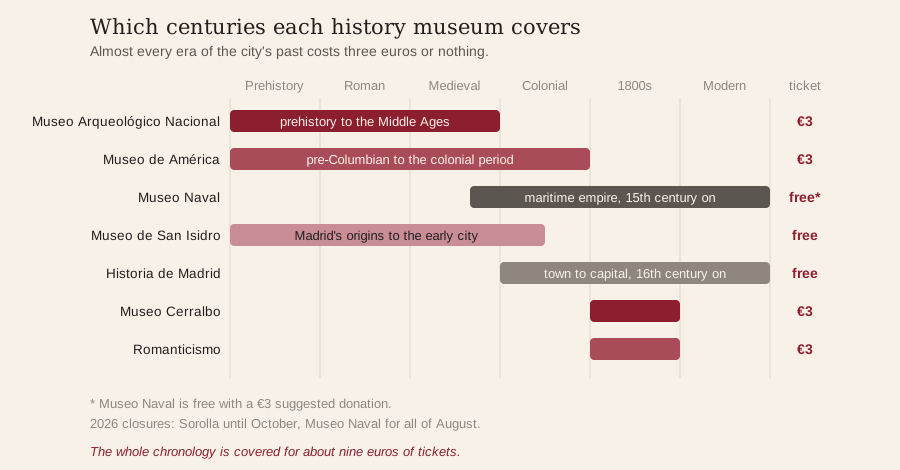
| National Archaeological Museum | The Lady of Elche, the Dama de Baza, the Guarrazar crowns, prehistory to the Middle Ages | €3 | Mondays | A first, serious history stop |
| Museo de América | Pre-Columbian, colonial and ethnographic collections gathered over five centuries | €3 | Check before you go | Anyone interested in the Spanish empire |
| Museo Cerralbo | A marquis's mansion kept room by room, with armour, an El Greco and a ballroom | €3 | Mondays | Interiors and atmosphere over labels |
| Museo Naval | Spain's naval history on the Paseo del Prado | Free, €3 suggested donation | All August 2026 | Charts, models, maritime empire |
| Museo de San Isidro | Madrid's origins, from archaeology to the patron-saint legend | Free | City-run hours | The city before it was a capital |
| Museo de Historia de Madrid | The town-to-capital story on Calle Fuencarral | Free | City-run hours | Maps, models and urban change |
| Museum of Romanticism | A period mansion recreating Romantic-era Madrid, with a garden cafe | €3 | Mondays | Nineteenth-century daily life |
| Galería de las Colecciones Reales | Royal collections beside the palace, Velázquez to Caravaggio | €14 official, $21 on the listing | 1 and 6 Jan, 1 May, 25 Dec | Monarchy, objects, one modern building |
The last row is the outlier in price and the one most history-minded visitors underrate. The Galería de las Colecciones Reales opened in 2023 to show what the Spanish crown accumulated across five centuries, and it took 741,589 visitors in 2025, up more than twelve per cent, passing two million in three years. It is a history museum that happens to hang major paintings, rather than an art museum with a royal theme. Slots are capacity-capped, and it stays quieter than the palace next door.
What is inside the National Archaeological Museum?
The Lady of Elche is the headline, an Iberian carved bust of contested date and purpose. Around her sit the Dama de Baza, the Visigothic votive crowns from the Guarrazar treasure, Roman mosaics and a sequence running from prehistory to the Middle Ages. Admission is three euros, and it closes on Mondays.
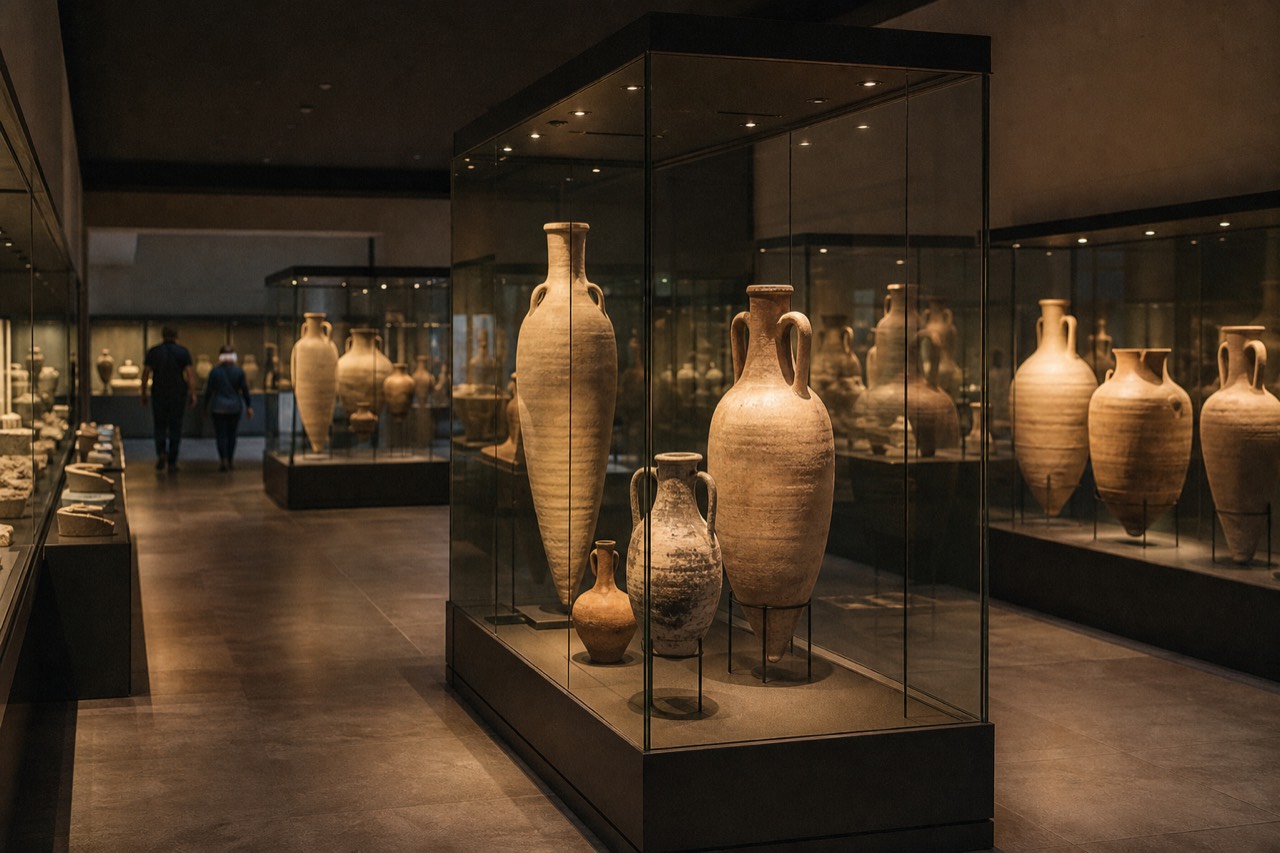
The museum sits on Calle Serrano behind the National Library, and its layout runs chronologically across several floors, which makes it unusually easy to do in pieces. Two hours gets you the Iberian and Visigothic rooms with time left over. Four hours gets you the whole sequence, and almost nobody does that on a first visit.
| What to look for | What it is | Why people stop |
|---|---|---|
| The Lady of Elche | An Iberian limestone bust with elaborate headdress, found in 1897 | The single most reproduced object in Spanish archaeology |
| The Dama de Baza | A seated Iberian female figure, found as a funerary urn | Colour traces survive on the stone |
| The Guarrazar treasure | Visigothic votive crowns and crosses in gold and gemstones | Evidence of a period most visitors know nothing about |
| Roman Hispania rooms | Mosaics, sculpture and daily objects from the provinces | The bridge between prehistory and the medieval collections |
| Medieval Iberia | Islamic, Christian and Jewish material side by side | Explains the country the later museums start from |
| Sala de Novedades Arqueológicas | A ground-floor space opened in November 2024 for recent finds and restorations | Rotating capsule displays, so it is different each visit |
That last room is the reason to go back. It shows recent acquisitions, new finds and freshly restored pieces in short rotations rather than as a permanent hang, which is unusual for a national museum. Free guided tours run on Saturdays, and the temporary programme through 2026 has leaned scientific: "Misterios de la materia. Ciencia del patrimonio" ran from 27 May to 18 October, alongside "Materia viva" in the garden and galleries from 5 June.
The National Archaeological Museum sells its own admission tickets. A separately sold guided visit can combine admission with interpretation; compare those inclusions rather than treating a tour quote as the museum’s entry price. Its official site carries current hours, the Saturday tour times and whatever is in the Novedades room this month.
Which of these museums are free, and exactly when?
Two are always free: San Isidro and the Museo de Historia de Madrid. Museo Naval is free with a suggested three-euro donation. The state museums charging three euros all open free at set hours, usually Saturday afternoons and Sunday mornings, and the Romanticismo's summer free period ends on 31 August 2026.
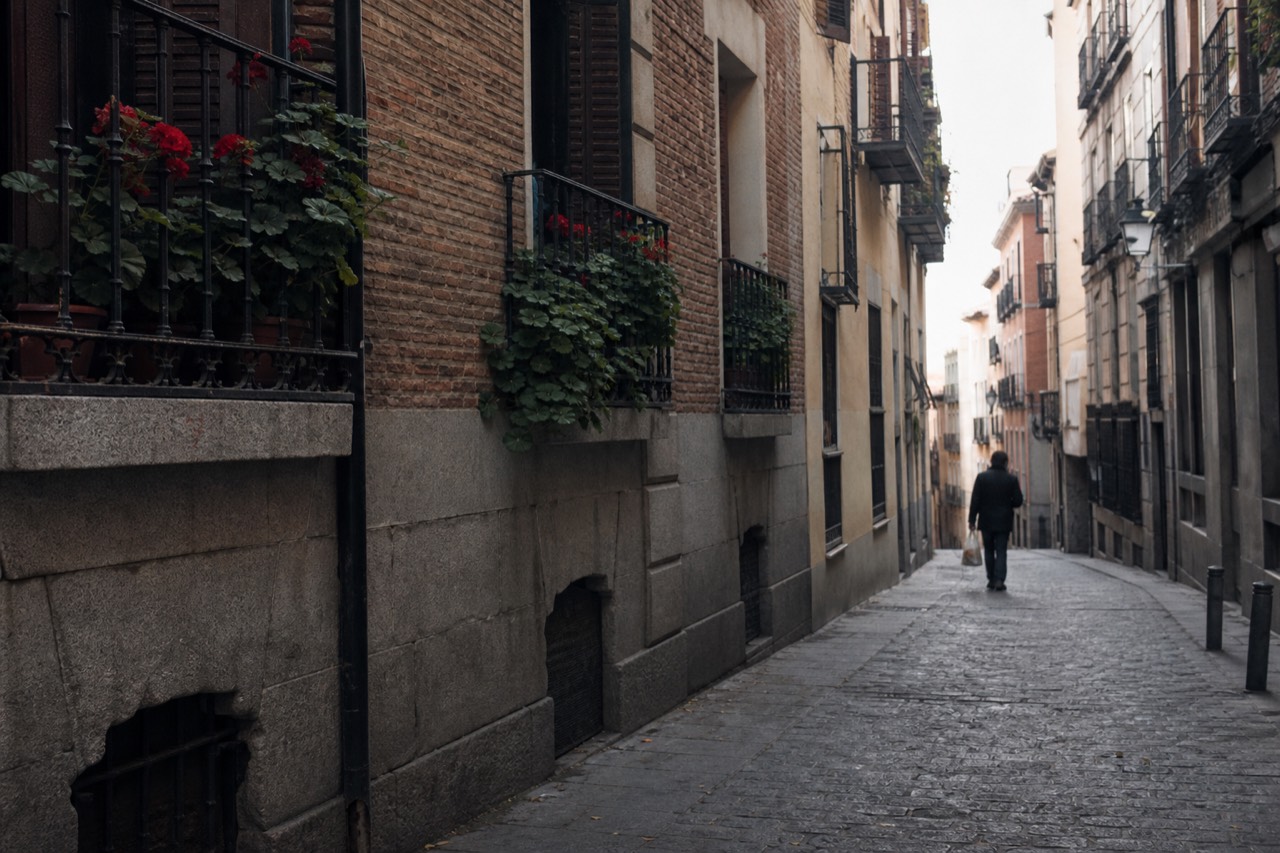
Free entry in Madrid is a weekly pattern rather than a single day, and the history museums have the most generous version of it. The three-euro state museums are cheap enough that the free windows matter less than the closed days, but if you are stacking several visits into one weekend the grid below saves real money.
| Museum | Free window | Conditions |
|---|---|---|
| National Archaeological Museum | Saturday from 14:00, Sunday mornings | Closed Mondays |
| Museo de América | Thursday afternoons and Sundays | €3 at other times |
| Museo Cerralbo | Thursday 17:00-20:00 and Sundays | Closed Mondays |
| Museum of Romanticism | Saturday afternoons and Sundays | Free entry throughout 30 June to 31 August 2026, then back to €3 |
| Museo del Traje | Saturday from 14:00, Sundays, Thursday evenings in July and August | Closed Mondays |
| Decorative Arts Museum | Set Sunday hours; temporary exhibitions always free | €3, reduced €1.50 |
| San Fernando Academy | Tuesday to Friday 13:30-15:00 | €10 otherwise; closed Mondays and much of August |
| Museo Lázaro Galdiano | Tuesday to Friday 14:00-15:00 | The last hour only; closed Mondays |
| Museo Naval | Always free, €3 suggested donation | Closed all August 2026 |
| Museo de San Isidro, Museo de Historia de Madrid | Always free | No ticket needed |
Read the Romanticismo row carefully. The museum ran a free-entry period from 30 June to 31 August 2026 after an inspection-related reopening, and that period ends with the summer. From September the Museum of Romanticism charges its usual three euros again, with the Saturday-afternoon and Sunday windows back in place. A September visitor planning around an open door will be disappointed at the desk.
The full weekly picture across every category, including the big galleries on the Paseo del Prado, sits in our guide to free-entry hours in Madrid, which lists the conditions attached to each window.
What do the empire and city-origins museums add?
Museo de América covers what Spain brought back from the Americas across five centuries, for three euros near Moncloa. Museo Naval traces the maritime side of the same story, free, on the Paseo del Prado. San Isidro and the Museo de Historia de Madrid handle the city itself, and neither has ever charged.
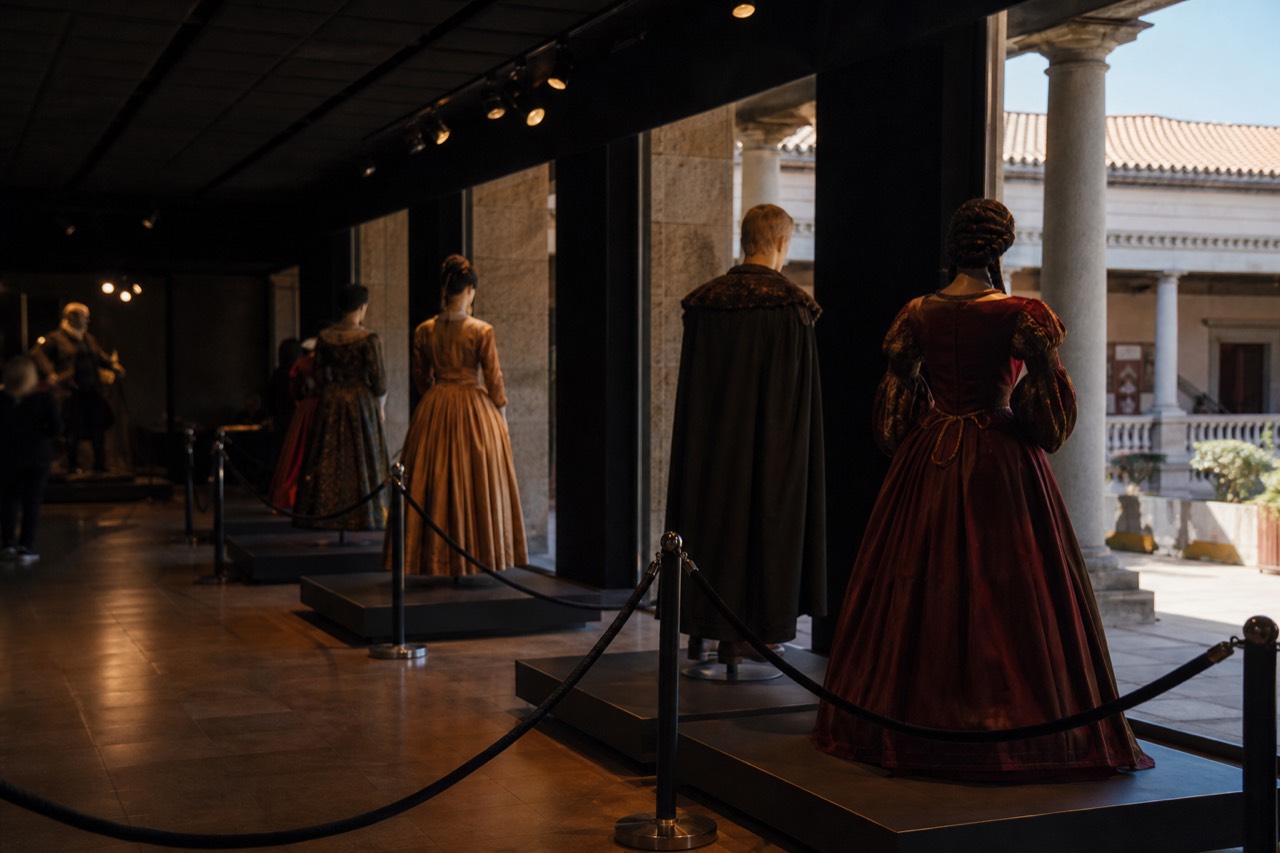
These four are the least visited good museums in the city, and the reasons are dull rather than damning: two are away from the tourist spine, one closes in August, and one is easy to walk past on Calle Fuencarral. Between them they answer the questions the art museums cannot.
| Venue | What it covers | Ticket | Status |
|---|---|---|---|
| Museo de América | Pre-Columbian, colonial and ethnographic collections from the Americas | €3 | Free Thursday afternoons and Sundays; check the calendar before you go |
| Museo Naval | Charts, instruments, ship models and the maritime empire | Free, €3 suggested donation | Closed all August 2026, reopening September |
| Museo de San Isidro | Madrid's archaeology and the patron-saint legend, in the Casa de San Isidro | Free | Open year round, city-run hours |
| Museo de Historia de Madrid | The city's growth from town to capital, with maps and models | Free | Open year round, city-run hours |
| Railway Museum | Historic locomotives inside the iron-and-glass Delicias station | On the museum's own site | A different kind of history day, south of Atocha |
The Museo de América is the one that divides people. Its subject is uncomfortable and the museum knows it, presenting the collections as the record of a colonial encounter rather than as trophies. Go if you want the difficult version of Spanish history; skip it if your day is already full.
Museo Naval is the easier recommendation, sitting on the Paseo del Prado between the big galleries, free, and air-conditioned. The August closure is the catch, and it is total: the museum's foundation confirmed the whole month is out for 2026, with reopening in September. For the city's own story, the free Casa de San Isidro is the better first stop, and its official visitor page carries the current hours.
Which house museums tell the story best?
Cerralbo, for a nineteenth-century aristocratic house preserved room by room, three euros. Lázaro Galdiano, for a financier's own collection inside his mansion on Calle Serrano. The Museum of Romanticism, for Romantic-era daily life and a garden cafe. Museo Sorolla is the fourth, and it is closed until October 2026.
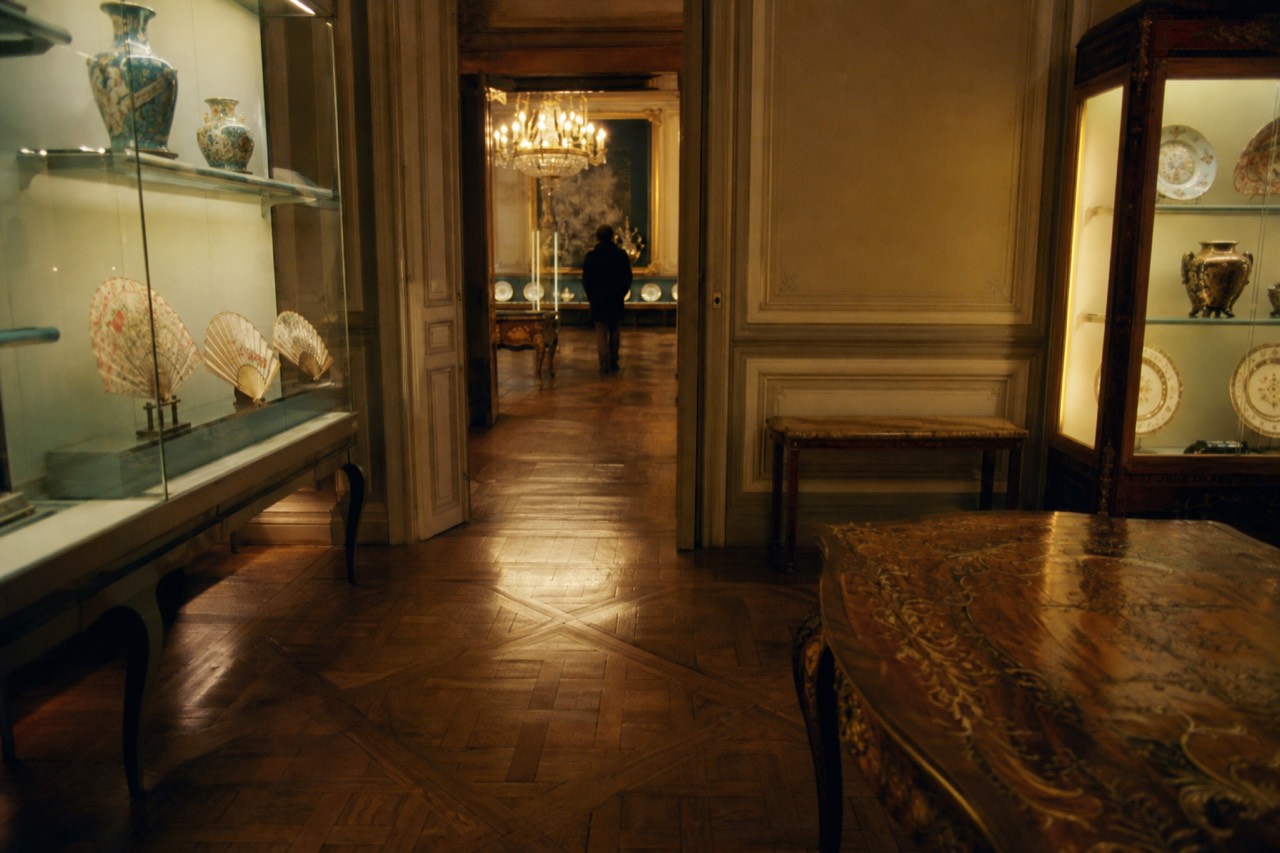
House museums do something the national collections cannot: they show you how the objects were lived with. The Cerralbo is the purest example in Madrid, kept as the marquis furnished it, down to the arrangement on the tables. It took 165,167 visitors in 2023, which for a central museum holding an El Greco is remarkably few, and visitors consistently describe it as the quiet alternative to the Paseo del Arte crush.
| House museum | The period it preserves | Ticket | 2026 status |
|---|---|---|---|
| Museo Cerralbo | Late nineteenth-century aristocratic Madrid, near Plaza de España | €3 | Open; historic street railings recently restored |
| Museo Lázaro Galdiano | A private collector's mansion and holdings, Calle Serrano | €8 official, from about $9 on the listing | Open; photography and garden-sculpture shows through 2026 |
| Museum of Romanticism | Romantic-era interiors off Calle Fuencarral, with the Café del Jardín | €3 | Open; free through 31 August 2026 only |
| Museo Sorolla | The painter's house and studio, kept as he left it | Not yet published for 2026 | Closed for renovation, phase-one reopening October 2026 |
| San Fernando Academy | The royal fine-arts academy on Calle de Alcalá | €10 | Open, but closed for all of August |
The Lázaro Galdiano is strong value for this kind of visit. José Lázaro Galdiano was a financier and publisher who bought across categories, Goya and Bosch included, and left the house and collection to the state. The museum has a free last hour Tuesday to Friday; allow travel time to Calle Serrano.
Museo Sorolla is the absence in this category. It has been shut since 2024, and the first phase of the renovation is due to open in October 2026, adding around 2,000 square metres in a former car workshop next door along with accessibility work. The historic house itself follows in a second phase lasting about ten months. The ministry's reopening notices are the place to confirm before you plan around it. More on this group, including which ones reward a second trip, sits in our guide to Madrid's hidden-gem museums.
What is actually open in 2026, and what is not?
Three closures matter this year. Museo Sorolla stays shut until its October 2026 phase-one reopening. Museo Naval is closed for the whole of August, back in September. The San Fernando Academy closes for August as well. Everything else on this page runs normal hours, with Mondays off for most of it.
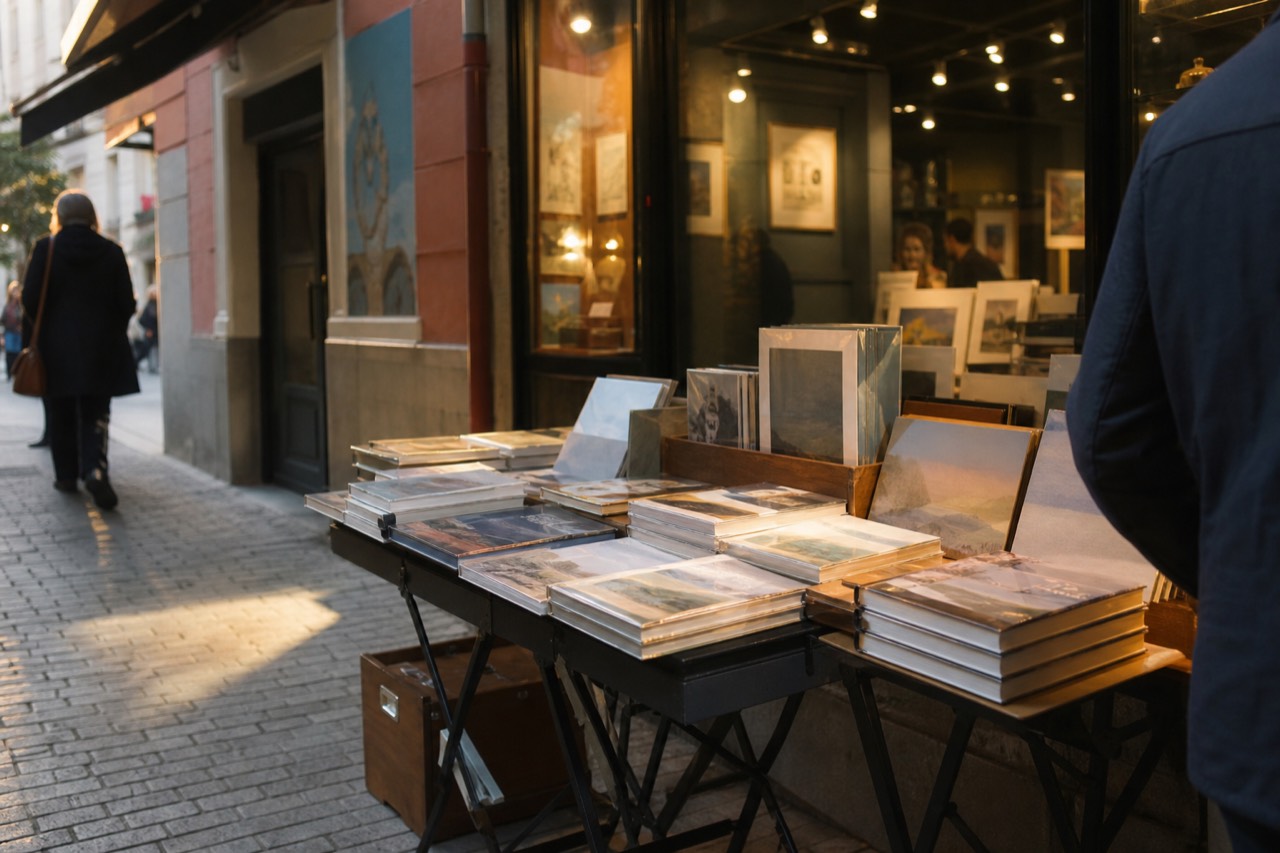
August is the month that catches visitors out. Madrid empties, several institutions take the month off, and the ones that stay open are the big paid galleries you were going to visit anyway. If your trip lands in August, build the history half of it around the Archaeological Museum and the free city collections.
| Museum | Status or what is on | Dates |
|---|---|---|
| Museo Sorolla | Closed for renovation; phase-one reopening with new exhibition space and accessibility work | From October 2026 |
| Museo Naval | Closed for the whole month | All of August 2026 |
| San Fernando Academy | Closed for the month; "Los Moreno, fotógrafos de arte" runs on either side of it | 17 June to 22 November 2026 |
| National Archaeological Museum | "Misterios de la materia. Ciencia del patrimonio", plus "Materia viva" from 5 June | 27 May to 18 October 2026 |
| Museum of Romanticism | Free entry period, then back to €3; "El artista en Italia" drawings show | Free 30 June to 31 August 2026 |
| Museo Cerralbo | Open as normal, with restoration work completed on the historic street railings | Through 2026 |
| Museo del Traje | "Los reconocimientos", a look at the museum's own internal work | 26 June to 18 October 2026 |
The San Fernando Academy deserves a note of its own. It holds two Goya self-portraits and a dedicated Goya cabinet built around the original copper plates for the print series, which for ten euros is one of the better art-history hours in Madrid. It just happens to shut in the month when most visitors are in town.
How do you fit these into a day or two?
One day covers the Archaeological Museum, the Lázaro Galdiano and a free city museum, all within walking distance of the Serrano and Fuencarral axis. Two days adds the Museo de América, the Cerralbo and the royal collections beside the palace. Keep Monday for the galleries that open, because most of this list does not.
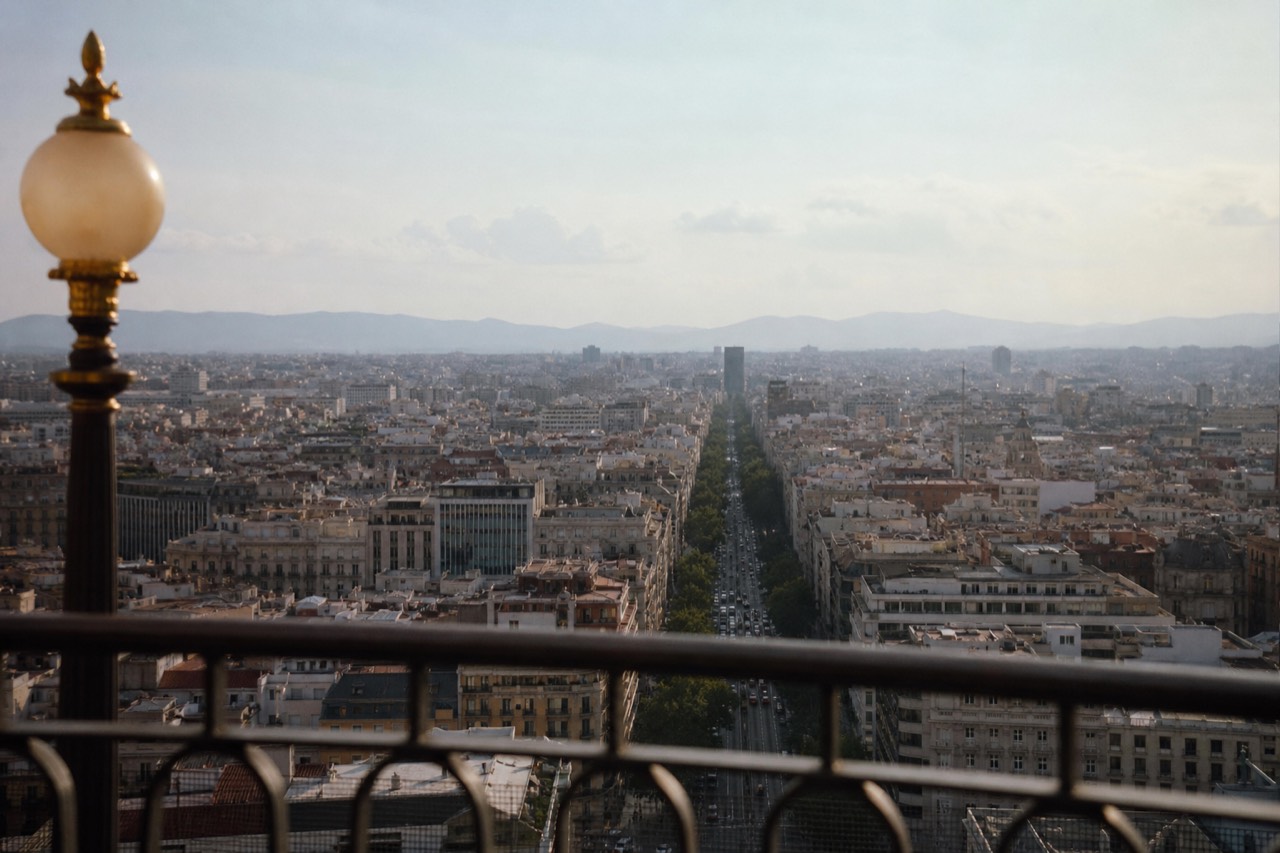
The geography helps more than people expect. The Archaeological Museum and the Lázaro Galdiano sit on the same street, twenty minutes apart on foot. The Museo de Historia and the Romanticismo are five minutes from each other off Fuencarral. Only América, out by Moncloa, and the Railway Museum, south of Atocha, need a metro ride.
| Time | Stop | What you do | Note |
|---|---|---|---|
| 09:30 | National Archaeological Museum | Iberian and Visigothic rooms first, two hours | €3; closed Mondays; free Saturday from 14:00 |
| 11:45 | Walk north on Serrano | Twenty minutes, coffee on the way | Both museums sit on the same street |
| 12:15 | Museo Lázaro Galdiano | The mansion and the Goyas, 90 minutes | Free in the last hour, Tuesday to Friday |
| 14:00 | Lunch off Calle Serrano | An hour | The area runs expensive; walk two streets west |
| 15:30 | Museo de Historia de Madrid | Maps, models and the city's growth, an hour | Free, always |
| 16:45 | Museum of Romanticism | Period rooms, then the garden cafe | €3 from September 2026 |
| Next morning | Royal Palace and the Galería de las Colecciones Reales | The royal half of the story, four hours together | Book the palace slot; the gallery caps capacity |
That second morning is where the paid tickets land. The palace is the largest historic interior in the city you can walk through, and the gallery beside it holds the objects the same institution kept. Together they cost more than everything else on this page combined, and they are still worth it if the monarchy is the thread you are pulling. If you would rather rank all of Madrid's collections against each other first, the ranked museum list does that with prices and closed days attached.
What do visitors ask about Madrid's history collections?
Four answers cover most of it: the Archaeological Museum is the one to do first, three euros is the standard state-museum price, Mondays close nearly everything in this category, and the two city-run museums are permanently free with no ticket required at all.
Which is the best history museum in Madrid?
The National Archaeological Museum, on Calle Serrano. It costs three euros, holds the Lady of Elche, the Dama de Baza and the Guarrazar votive crowns, and runs chronologically from prehistory to the Middle Ages so you can take it in sections. Allow two hours for the highlights and four to do the whole sequence properly.
How much does the National Archaeological Museum cost?
Three euros for standard admission, bought through the museum's own ticketing rather than any resale platform. It also opens free on Saturday afternoons from 14:00 and on Sunday mornings, and free guided tours run on Saturdays. It closes on Mondays, which trips up visitors who arrive expecting the Prado's daily schedule.
Are Madrid's history museums free?
Some are, always. The Museo de San Isidro and the Museo de Historia de Madrid never charge, and Museo Naval is free with a suggested three-euro donation. The state museums, including the Archaeological Museum, América, Cerralbo and Romanticismo, charge three euros and open free at set hours, usually Saturday afternoons and Sundays.
Why is Museo Sorolla closed?
It has been closed since 2024 for a two-phase renovation. The first phase adds around 2,000 square metres of new space in a former car workshop next to the house, with accessibility upgrades including marked lifts and Braille, and is due to open in October 2026. The historic house itself is then rehabilitated over roughly ten months.
Is Museo Naval open in August?
No. It closes for the entire month of August 2026 and reopens in September. That is worth knowing because it is otherwise one of the best free, air-conditioned options on the Paseo del Prado, which is exactly what an August afternoon in Madrid calls for. The city-run museums stay open instead.
Which day are these museums closed?
Monday, for most of them: the Archaeological Museum, Cerralbo, Romanticismo, the Costume Museum, the Lázaro Galdiano and the San Fernando Academy. The two city-run museums keep their own hours. If Monday is your only free day, take the Thyssen's free afternoon window or the Royal Palace instead, both of which open.
Is the Museo de América worth visiting?
It is, if the colonial period interests you and you have a spare half day. The collections cover pre-Columbian cultures, the colonial centuries and later ethnography, presented as the record of an encounter rather than a display of trophies. It sits near Moncloa, away from the museum spine, costs three euros, and opens free on Thursday afternoons and Sundays.
Can you see all of them in one day?
No, and trying wastes them. A realistic day is two paid museums plus one free city collection, all on foot between Serrano and Fuencarral. Spread over two days you can add the Museo de América and the royal pairing at the palace. The one-day version works best on a Saturday, when the Archaeological Museum's free window opens at 14:00.
Related reading
Lázaro Galdiano Museum Admission
Choose your Lázaro Galdiano date before arranging the history route. Switch below for archaeology with a guide or old Madrid outdoors.
Allow 1–3 hours · Self-guided admission · Museo Lázaro Galdiano, Calle Serrano
Scheduled departure dates. Availability and final price are confirmed on Viator.
None of these experiences matches that choice. Adjust your preference or reset to the general recommendation.
Compare Options And Plan Your Visit
- Mansion admission only
- Lázaro Galdiano at your own pace without an added guide.
- Mansion plus audio narration
- Same museum with downloadable English commentary; bring phone and headphones.
- Ancient history with a guide
- A different collection: the National Archaeological Museum. English minimum applies.
- Old Madrid outdoors
- A guided city-history walk to Debod; no museum interiors.
Before Booking
No live guide included. Closed Mondays. Check concession eligibility before paying.
Compare complete party totals in the same currency, including admission, guidance, transport and any extras. These are your comparison inputs, not live ticket prices.