Prado Museum Famous Paintings: What to See and How Long It Takes
Las Meninas, the Black Paintings, Bosch's triptych and about twenty other works that people cross continents for, plus an honest answer about how many of them you can absorb before your attention gives out.
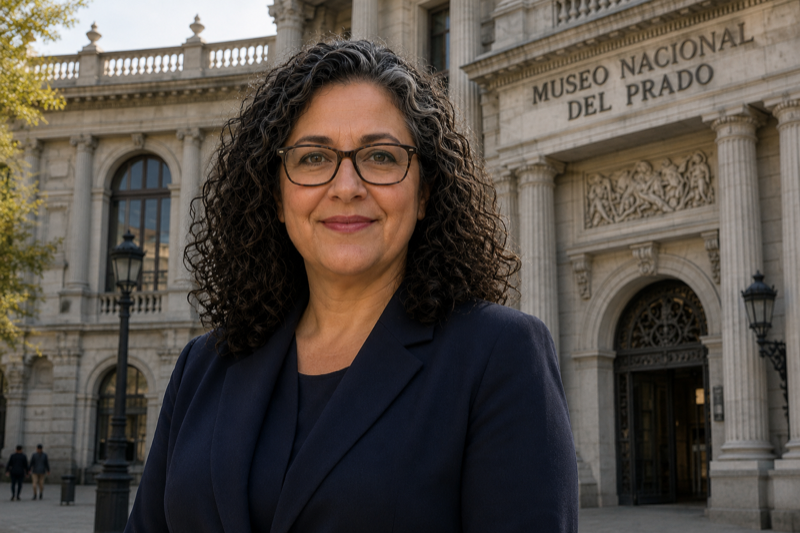 By Elena García, Madrid Museums Specialist & Cultural Guide
Short answer
Las Meninas is the painting most visitors come for, catalogued by the museum as The Family of Felipe IV. After it, the works that stop people are Goya's Black Paintings, The 3rd of May 1808, Bosch's Garden of Earthly Delights and the El Greco rooms. Two hours covers those. Three hours does them justice, and entry is €15 or free in the last two hours of any day.
Booking choice: Explore Prado small-group guided visit
There is a bench in front of Las Meninas and it is never empty. People sit down in front of that canvas the way they sit down in a church, and the reason becomes obvious within a minute: the painting is looking back. Velázquez put himself at the easel on the left, the royal couple in a mirror at the back, and the viewer somewhere they cannot quite locate. Three and a half million people a year come through this building, and a good share of them are here for that one room.
The Prado holds far more than one painting, which is exactly the problem. Its collection runs from the twelfth through nineteenth centuries and it is unmatched on Spanish and Flemish old masters, so a first visit without a plan turns into an hour of corridors and a vague memory of gold frames. This guide sorts the collection into what you should not miss, what you can skip on a first pass, and how much of it fits into the hours you actually have. Every other collection in the city is mapped in the madrid museums directory.
What are the most famous paintings in the Prado Museum?
Las Meninas by Velázquez is the single most famous work, painted in 1656 and catalogued by the museum as The Family of Felipe IV. Around it sit Goya's Black Paintings and The 3rd of May 1808, Bosch's Garden of Earthly Delights, the two Majas and a deep run of El Greco, Titian, Rubens and Raphael.
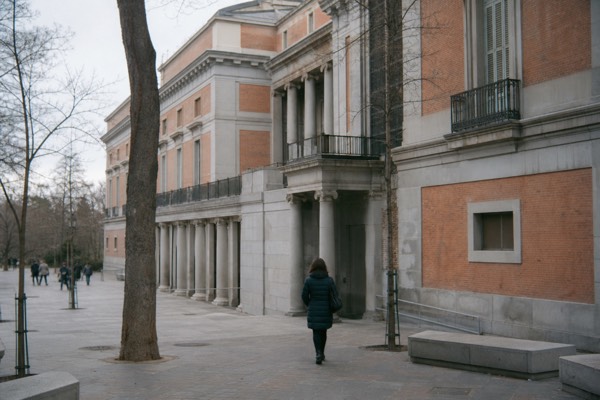
The list below is the honest short version, the works that people plan a visit around rather than the works a curator would defend as most important. Give the first four real time and treat the rest as a walk. Most visitors who try to reverse that ratio end up remembering neither.
| Work | Painter | When | Why people stop |
|---|---|---|---|
| Las Meninas | Diego Velázquez | 1656 | A painting that argues with the person looking at it, and has done for centuries |
| The Black Paintings | Francisco de Goya | 1819-1823 | Fourteen murals off the walls of his own house, including Saturn |
| The 3rd of May 1808 | Francisco de Goya | Early nineteenth century | An execution scene that changed how war was painted |
| The Garden of Earthly Delights | Hieronymus Bosch | Around 1500 | A triptych people spend forty minutes reading like a book |
| The Naked Maja and The Clothed Maja | Francisco de Goya | Late eighteenth century | Two versions of one pose, hung together |
| The Nobleman with his Hand on his Chest | El Greco | Sixteenth century | The face on every Spanish postcard, in person and much smaller |
| The Three Graces | Peter Paul Rubens | Seventeenth century | Rubens at full volume, from the royal collections |
The museum's own catalogue is the fastest way to check where something is before you go, and its entry for Las Meninas is a good example of how much detail sits behind each work. The audio guide covers more than 250 works in fifteen languages for €5 on top of admission, which is the cheapest way to turn a walk into a visit.
One correction that saves people a wasted search: there is no Picasso here. The Prado's collection extends through the nineteenth century, while much twentieth-century art lives ten minutes down the same boulevard. Guernica hangs in Room 205.10 at the Reina Sofía, which our guide to seeing Guernica in person covers in detail.
Why is Las Meninas the painting everyone comes for?
Because it refuses to settle. Velázquez painted himself at work, the Infanta Margarita and her attendants in the foreground, and the king and queen as a reflection in the mirror at the back, so nobody can say for certain who is being painted or where the viewer is standing. Art historians have argued about it since 1656.
The museum catalogues it as The Family of Felipe IV, which is the older and more literal title, and almost nobody uses it. What makes the picture hold a crowd is not its subject but its structure: the canvas we cannot see the front of, the door at the back with a figure on the stairs, the mirror that puts the monarchs in the room without ever showing them in it. Stand at the far end of the gallery first, then walk in slowly. The perspective is built for that approach.
Give it fifteen minutes rather than two. That sounds indulgent until you notice that most people photograph it in thirty seconds and walk away with nothing, and the room usually thins out substantially in the last hour of the day.
| What to look for | Where it is in the picture | Why it matters |
|---|---|---|
| Velázquez himself | Left side, behind a huge canvas turned away | The painter inserts himself into a royal portrait |
| The mirror | Back wall, centre | Puts the king and queen in the room without painting them in it |
| The figure in the doorway | Back right, on the stairs | Adds a second depth of field behind the mirror |
| The Infanta Margarita | Centre foreground, in light | The child the composition is built around |
| The dog and the dwarfs | Right foreground | Court life shown without flattery |
Velázquez is not a one-painting artist here either, which is the argument for coming back. The Prado holds the largest concentration of his work anywhere, and once you have looked properly at one of them, the others in the surrounding rooms stop looking like wallpaper.
Where are Goya's Black Paintings, and what are you looking at?
They are in the Prado, and they were never meant to be. Goya painted fourteen dark murals directly onto the walls of his own house outside Madrid, the Quinta del Sordo, between 1819 and 1823, for nobody but himself. They were transferred to canvas decades later. Saturn Devouring His Son is the one people know.
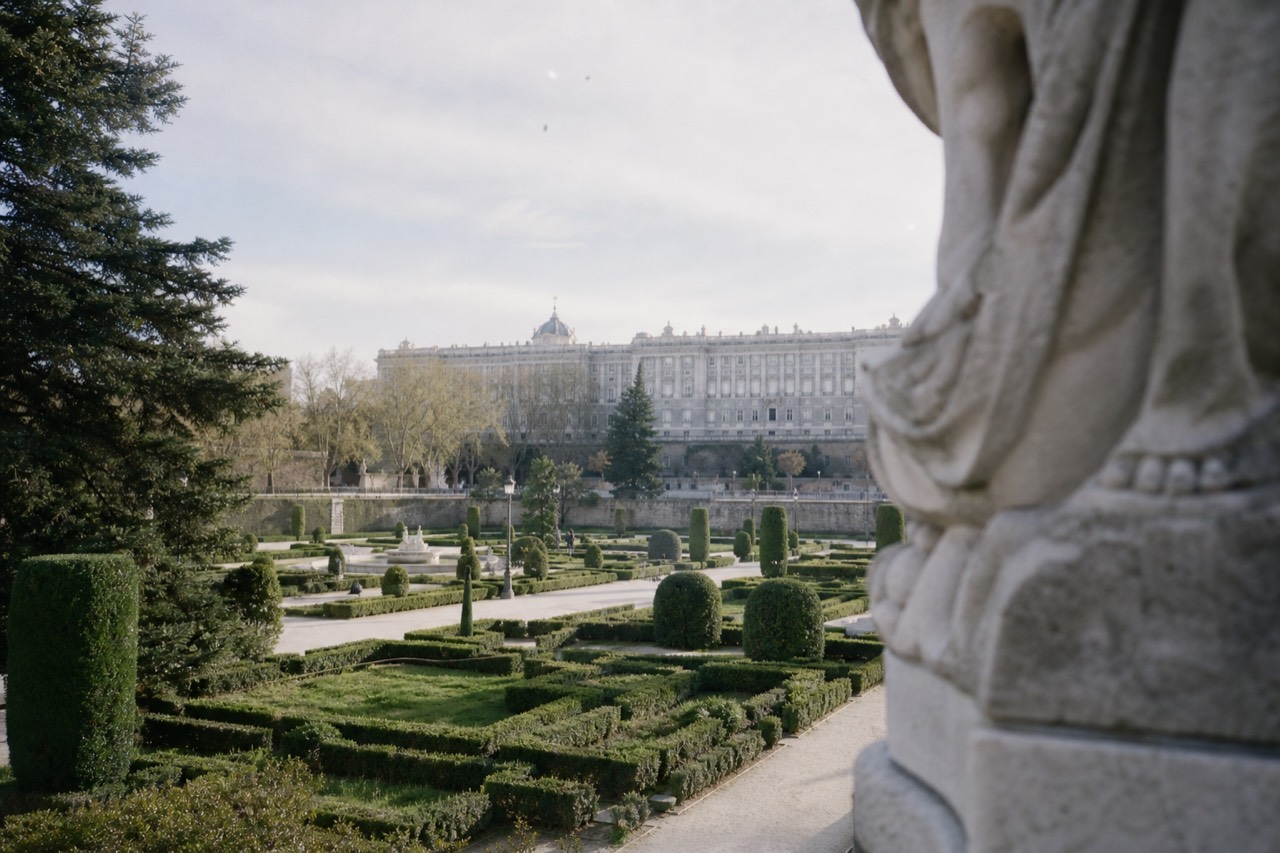
The room they hang in is quieter and darker than the rest of the museum, and the shift in tone is abrupt if you arrive straight from the court portraits. That contrast is the point. Goya spent most of his career painting the Spanish crown, and these came at the end, after illness, deafness and a war, painted onto plaster in a farmhouse with no audience in mind.
| Phase | What Goya was painting | Where it sits in the museum |
|---|---|---|
| Court painter | Royal portraits and cartoons for tapestries | The main Goya sequence in the Villanueva building |
| War and its aftermath | The 3rd of May 1808 and its companion piece | Alongside the history canvases |
| The Quinta del Sordo | The fourteen Black Paintings, 1819-1823 | A separate, deliberately dark room |
The 3rd of May 1808 is worth the walk on its own. The museum lists it as The 3rd of May 1808 in Madrid, or The Executions, and its catalogue entry explains who ordered the painting and what followed. Seen next to the Black Paintings it reads less like a history picture and more like the start of everything that follows.
Goya is also the painter who keeps turning up elsewhere in Madrid. The Lázaro Galdiano's own Goyas hang in a collector's mansion on Calle Serrano, and the San Fernando academy gallery on Calle de Alcalá holds a celebrated group for ten euros. Neither has a queue.
How long do you need at the Prado?
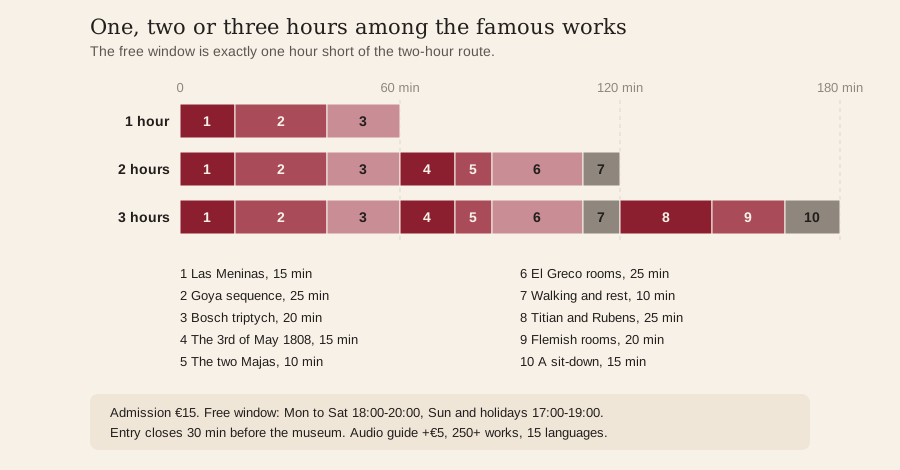
Two hours covers the famous works. Three hours does them justice with room for one wing you did not plan on. One hour is enough for Las Meninas, the Goya rooms and one Bosch, and nothing else. The museum publishes its own one, two and three-hour routes, which is a fair signal that even it does not expect you to see everything.
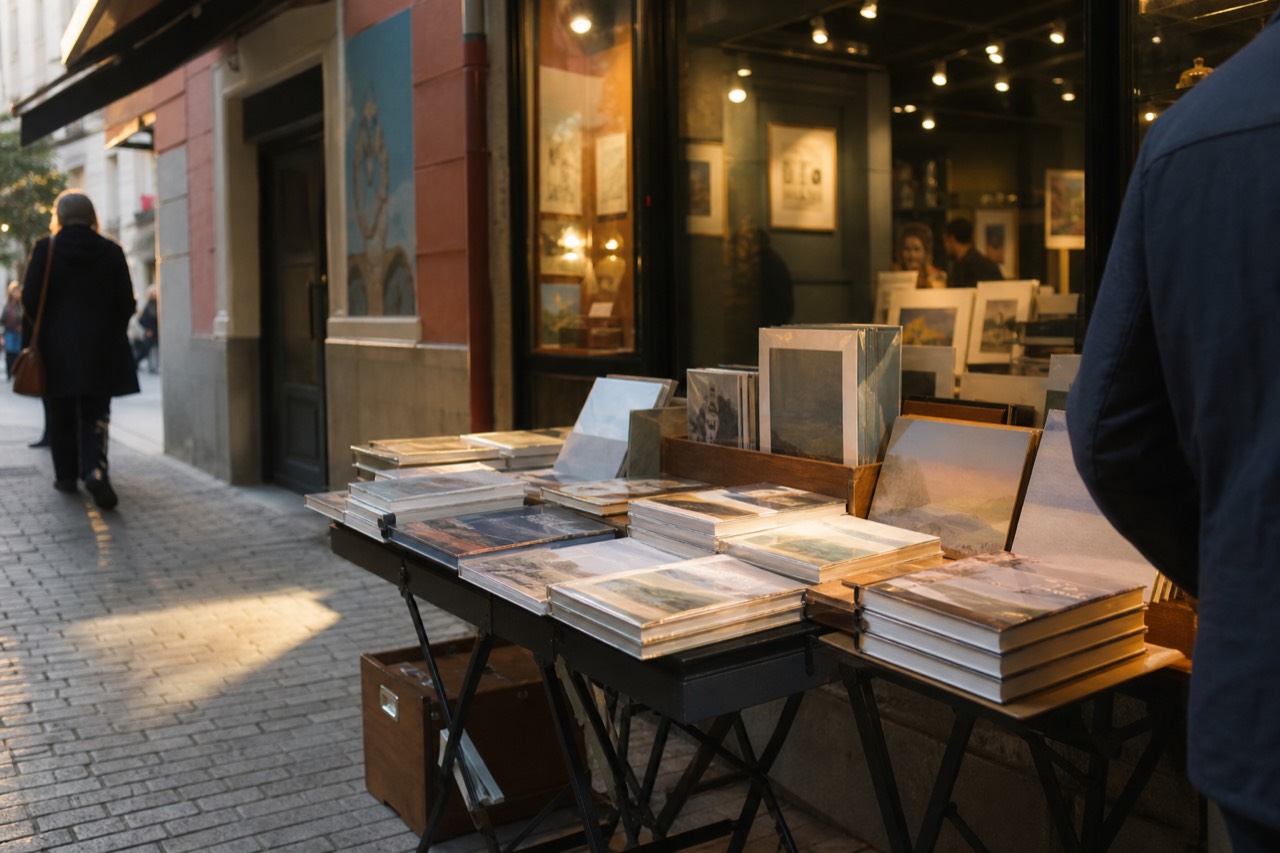
Attention, not opening hours, is the limiting factor. Most people fade around the ninety-minute mark in a collection this dense, and the last thirty minutes of a three-hour visit are usually worth less than the first ten. Plan for the fade instead of pretending it will not happen.
| You have | What to do | What to leave out |
|---|---|---|
| One hour | Las Meninas, the Goya sequence, one Bosch | Everything Italian and Flemish beyond Bosch |
| Two hours | Add The 3rd of May 1808, the Majas, the El Greco rooms | Temporary exhibitions |
| Three hours | Add Titian, Rubens and the Flemish rooms, plus a sit-down | Nothing much, this is the sweet spot |
| A free two-hour window | Las Meninas, Goya, Bosch, at speed | Any hope of a slow second lap |
| A second visit | Velázquez in depth, or one wing end to end | The greatest-hits route you already did |
Free entry runs for the last two hours of every day, and it is a real option rather than a consolation prize: Monday to Saturday from 18:00 to 20:00, Sundays and public holidays from 17:00 to 19:00. The permanent collection is free in that window and temporary exhibitions are half price. The queue starts building well before the hour, so arriving at 17:45 buys you far more of the window than arriving at 18:30.
The Prado ticket options serve different visits: admission for your own painting route, or a guided highlights tour with a defined duration. Neither removes the need for security checks.
What does entry cost, and when should you go?
General admission is €15, reduced €7.50, with the last two hours of every day free. The audio guide adds €5 and a guided tour €10. Doors open at 10:00 and close at 20:00, 19:00 on Sundays, with entry stopping 30 minutes before closing. Mornings at opening and the last free hour are the two calmest windows.
The Prado is one of the cheaper great museums in Europe and the extras are where a visit quietly gains value. The audio guide in particular changes what you get out of the Goya rooms, and the guided highlights tour is a sensible option for anyone who does not want to think about routing at all.
| What | Cost | Detail |
|---|---|---|
| General admission | €15 | Permanent collection and temporary exhibitions |
| Reduced admission | €7.50 | Conditions listed on the museum's own site |
| Free window | €0 | Last two hours daily, 50% off temporary shows |
| Audio guide | Admission plus €5 | More than 250 works in fifteen languages |
| Guided tour | Admission plus €10 | About 90 minutes, in English at 11:00 and 13:00 |
| Admission through a reseller | Check the current total | Admission and guided visits have different inclusions; follow the voucher’s entry instructions |
Timing inside the day matters as much as the price. At opening the building is calm for about forty minutes, which is the window for Las Meninas without a crowd around it. From eleven until about two is the busiest stretch, when the coach groups and the school parties overlap. Early afternoon thins out and suits a full three-hour route. From about half past five the museum starts emptying and refilling with free-entry visitors, who cluster in the famous rooms and leave the Flemish wing almost deserted, which is a gift if you already know what you want to see.
The museum's opening times and prices page carries the current hours, the reduced-hours days around Christmas and Epiphany, and the three days a year it closes entirely: 1 January, 1 May and 25 December. Cloakrooms are free and sit at every entrance, which matters because bulky bags are not allowed in the galleries.
Which paintings do people expect at the Prado and not find?
Guernica and the main Picasso and Dalí displays are at the Reina Sofía. The Prado extends through the nineteenth century and does hold Sorolla; his house museum is a different collection and remains closed for renovation. The Galería de las Colecciones Reales adds another setting for royal paintings and objects.
This is the most common planning error in Madrid, and it costs people a whole morning. The city splits its art by period across separate institutions rather than gathering it in one place, so the question is never "which museum has the best paintings" but "which century do you want".
| What you are looking for | Where it actually is | Cost |
|---|---|---|
| Guernica and Picasso | Reina Sofía, Room 205.10, Sabatini building | from $14, free most evenings from 19:00 |
| Dalí and Miró | Reina Sofía, the rooms around Guernica | Same ticket |
| Sorolla | Prado nineteenth-century collection; individual works may move. Museo Sorolla remains closed | Prado admission; reopening details for Sorolla’s house unconfirmed |
| Royal-collection Velázquez, Goya and Caravaggio | Galería de las Colecciones Reales, beside the palace | from $21 |
| Impressionists and pop art | Thyssen-Bornemisza, ten minutes up the boulevard | from $16 |
| Goya outside the Prado | Lázaro Galdiano and the San Fernando academy | €8 and €10 official |
The Museo Sorolla closure is worth repeating because people still turn up at the door. It has been shut since 2024, the reopening is expected in phases from October 2026, and no 2026 prices have been published.
If your interest is the whole sweep rather than one museum, the three Paseo del Arte collections were designed to be read together, and our route through all three in order sets out the walking sequence and the €32.80 pass arithmetic.
Where else in Madrid can you see the same painters?
Velázquez, Goya and Caravaggio all appear in the Galería de las Colecciones Reales beside the Royal Palace. Goya also hangs at the Lázaro Galdiano and the San Fernando Academy. The Thyssen-Bornemisza picks up where the Prado stops, running from the same old masters through to pop art in one continuous line.
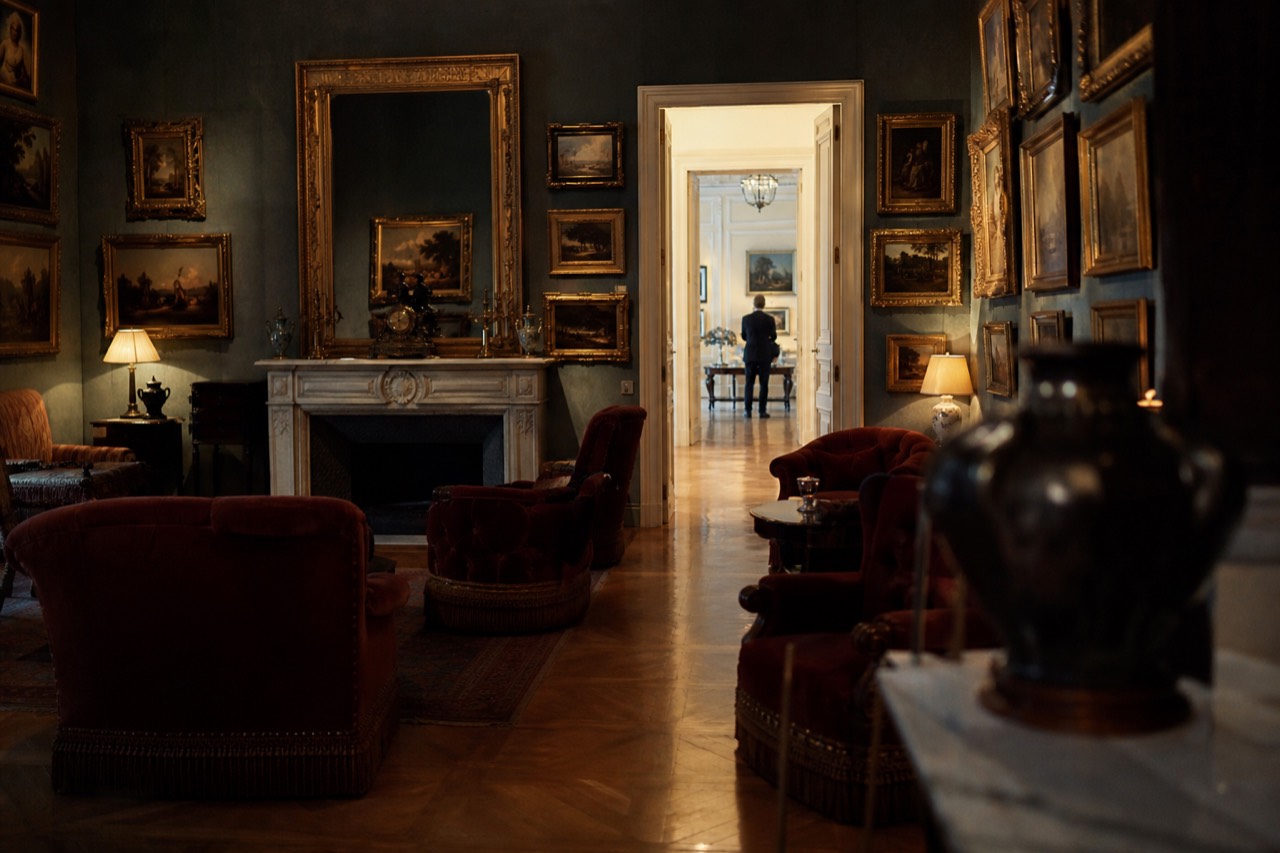
The second-tier collections are where Madrid rewards a return trip. None of them queue, most cost under ten euros, and the paintings hang in rooms rather than in galleries, which changes the experience more than people expect.
| Museum | Painters you go for | Official price | Closed |
|---|---|---|---|
| Galería de las Colecciones Reales | Velázquez, Goya, Caravaggio | €14 | 1 and 6 Jan, 1 May, 25 Dec |
| Lázaro Galdiano | Goya, Spanish and European old masters | €8 | Mondays |
| San Fernando Academy | Goya and centuries of Spanish painting | €10 | Mondays and much of August |
| Thyssen-Bornemisza | Everything from medieval panels to pop art | €14 | Open daily, short Mondays |
| Palacio de Liria | Velázquez, Goya and Rubens in the Alba collection | Booked visits with audioguide | Limited opening |
The Thyssen's collection is the natural companion to a Prado day rather than a competitor to it, because the two barely overlap. Start at the Prado for the old masters, take the Thyssen the following morning, and the two visits fit together as one story instead of two versions of the same one.
The complete map of the city's art collections, including the mansions and academies nobody queues for, is in our guide to every art collection in the city. If you would rather see the three boulevard museums treated as a single walk, with the pass arithmetic attached, that route is laid out separately.
What else do people ask about the Prado's collection?
Four questions cover most of it: Las Meninas is the famous one, the Black Paintings are the strangest, entry is €15 or free for the last two hours of any day, and two hours is the minimum that leaves you with something more than a blur.
What is the most famous painting in the Prado Museum?
Las Meninas, painted by Diego Velázquez in 1656 and catalogued by the museum as The Family of Felipe IV. It shows the Infanta Margarita and her attendants, the painter himself at a canvas we cannot see, and the king and queen reflected in a mirror at the back of the room. It is the work most visitors plan the whole visit around.
What are Goya's Black Paintings?
Fourteen dark murals that Goya painted directly onto the walls of his own house outside Madrid, the Quinta del Sordo, between 1819 and 1823. They were private works, never intended for exhibition, and were transferred to canvas decades later. Saturn Devouring His Son is the best known of the group, and the room they hang in is deliberately darker than the rest of the museum.
Are there any Picasso paintings in the Prado Museum?
No. The Prado's collection runs from the twelfth through nineteenth centuries, so the twentieth century is not its remit. Picasso's major works in Madrid, Guernica included, are at the Reina Sofía about ten minutes down the same boulevard, where Guernica hangs in Room 205.10 of the Sabatini building.
How long does it take to go through the Prado Museum?
Two hours for the famous works, three to do them justice. The museum publishes its own one, two and three-hour routes, which tells you it does not expect anyone to see the whole collection in a visit. Attention rather than opening hours is the limit, and most people fade around the ninety-minute mark.
Is the Prado free after 6pm?
Yes. The permanent collection is free for the last two hours every day: 18:00 to 20:00 Monday to Saturday, and 17:00 to 19:00 on Sundays and public holidays. Temporary exhibitions are half price rather than free in that window. The line forms before the hour, so arrive at about 17:45 if you want the full two hours.
What should you not miss at the Prado?
Las Meninas, the Black Paintings, The 3rd of May 1808 and Bosch's Garden of Earthly Delights, in that order of priority. If time allows, add the two Majas, the El Greco rooms and the Rubens holdings from the royal collections. Those seven stops are the difference between having been to the Prado and having seen it.
Is the Prado audio guide worth it?
For a first visit, yes. It adds €5 to admission and covers more than 250 works in fifteen languages, which turns the Goya rooms in particular from a walk into a story. If you would rather have a person, the guided highlights tour adds €10, runs about ninety minutes and goes out in English at 11:00 and 13:00.
Can you take photographs in the Prado?
The museum publishes its rules for visitors on its own site and updates them periodically, so check the current version before you plan on photographs. What is consistent across the city's major museums is that flash, tripods and selfie sticks are refused everywhere, and bulky bags have to go into the free cloakroom before you reach the galleries.
Related reading
Prado Small-group Guided Visit
Choose your Prado tour date before fixing your painting route. Select English and the tour length that suits the works you most want to understand.
About 90 minutes; longer options available · English option · Goya statue outside the Prado
Scheduled departure dates. Availability and final price are confirmed on Viator.
None of these experiences matches that choice. Adjust your preference or reset to the general recommendation.
Compare Options And Plan Your Visit
- Guided Prado highlights
- Admission and a live English guide for a focused visit.
- Prado at my own pace
- Admission without a live guide; allow the time your route needs.
- Prado plus Reina Sofía
- A four-hour guided route through two museums, with both admissions.
Before Booking
Select the English option and the required duration. Security checks still apply.
Compare complete party totals in the same currency, including admission, guidance, transport and any extras. These are your comparison inputs, not live ticket prices.